
Most small holes and fine cracks in plaster walls can be patched at home with a kit from the hardware store and a bit of patience. Larger holes, cracks that keep coming back and walls that are bulging or water-damaged are different, because the damage is often a sign of something going on behind or under the wall.
Here’s how to tell which is which.
Plaster repairs: why small holes and cracks are worth fixing early
Small plaster repairs are worth doing as soon as you notice them. A crack or break in plasterboard lets moisture in, and Brisbane’s humidity doesn’t help. Dust also settles in cracks, and when moisture reaches that dust it can widen the crack and leave a discoloured mark that’s hard to miss. Keeping your walls in good repair stops a little crack from turning into a bigger plaster repair later.
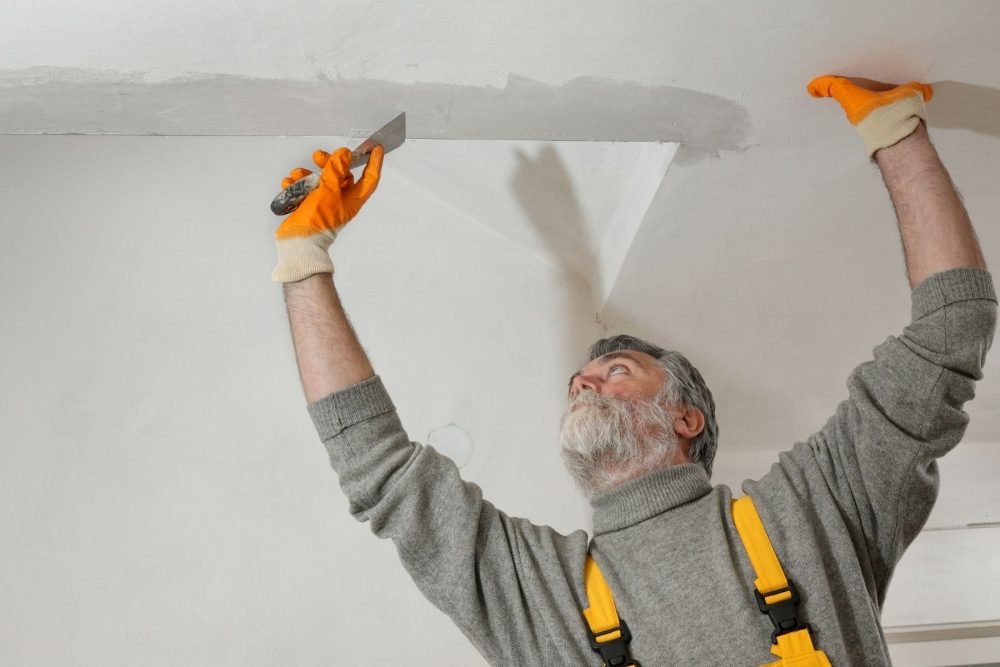
How to fix a hole in a plaster wall
How you fix a hole in a plaster wall depends on how big it is.
- Nail holes and small dents: fill them with a ready-mixed filler, let it dry, sand it flush and touch up the paint.
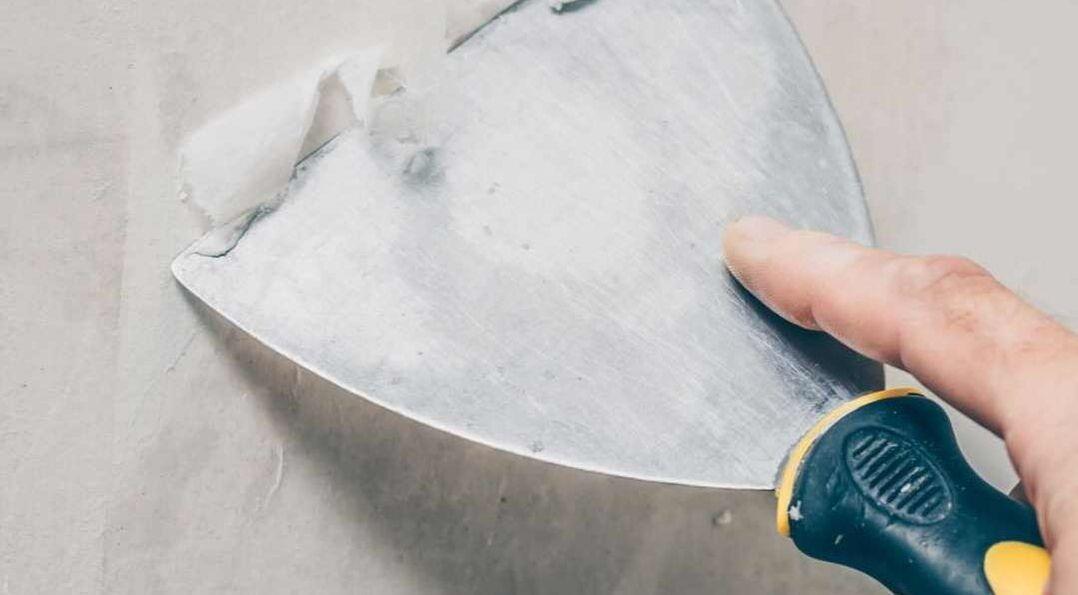
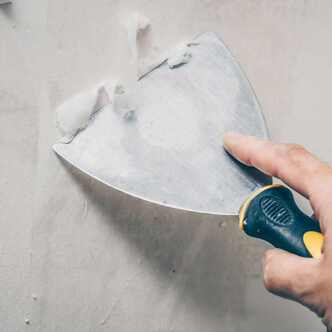
- Small holes: a plaster patching kit from a hardware store comes with what you need to patch the hole, and the instructions are on the pack.
- Larger holes: the damaged plasterboard is cut back to a clean square, a backing piece or a new section of board is fitted, and the joins are set and sanded in layers.
Whatever the size, finish with paint that matches. It’s worth knowing what colour your walls are painted and keeping a little spare paint for patch repairs, because a patch in a slightly different shade can stand out more than the hole did.
Larger holes are where DIY repairs tend to come unstuck. Getting a big patch flat, with no ridge or dip showing once it’s painted, takes practice, and that’s usually the point to call in a plasterer.
Plaster crack repair: what the cracks in your walls mean
Before you patch a crack, look at where it is and how it’s behaving. Filling a crack only lasts if whatever caused it has stopped.
- Fine cracks at joins and corners: plasterboard tends to crack where the wall changes direction or moves, such as along a sheet join, at a corner or above a door or window.
- Cracks that widen near the ceiling: a crack that is getting wider at the top of the wall can mean the ceiling is shifting or moving.
- Bulging or bellying plaster: if the wall is pushing out, the plasterboard has bowed away from the frame and may need to be screwed back in.
- Cracks after a dry spell: houses shift on their foundations as the soil dries out and compacts, and walls crack as the house settles. New homes often settle as the foundations adjust, too.
For movement in the house, keeping the soil around it at a healthy moisture level helps, and so does getting water moving away from the house where drainage is poor. That may mean talking to a plumber or a landscape gardener. A plasterer can repair the crack, but if the house is still moving, the crack is likely to come back, so deal with the cause first.
Signs of a bad plaster job on your walls
Not every crack or mark comes from damage. Sometimes the original plastering wasn’t done well, and the signs show up once the walls are painted or as the house ages.
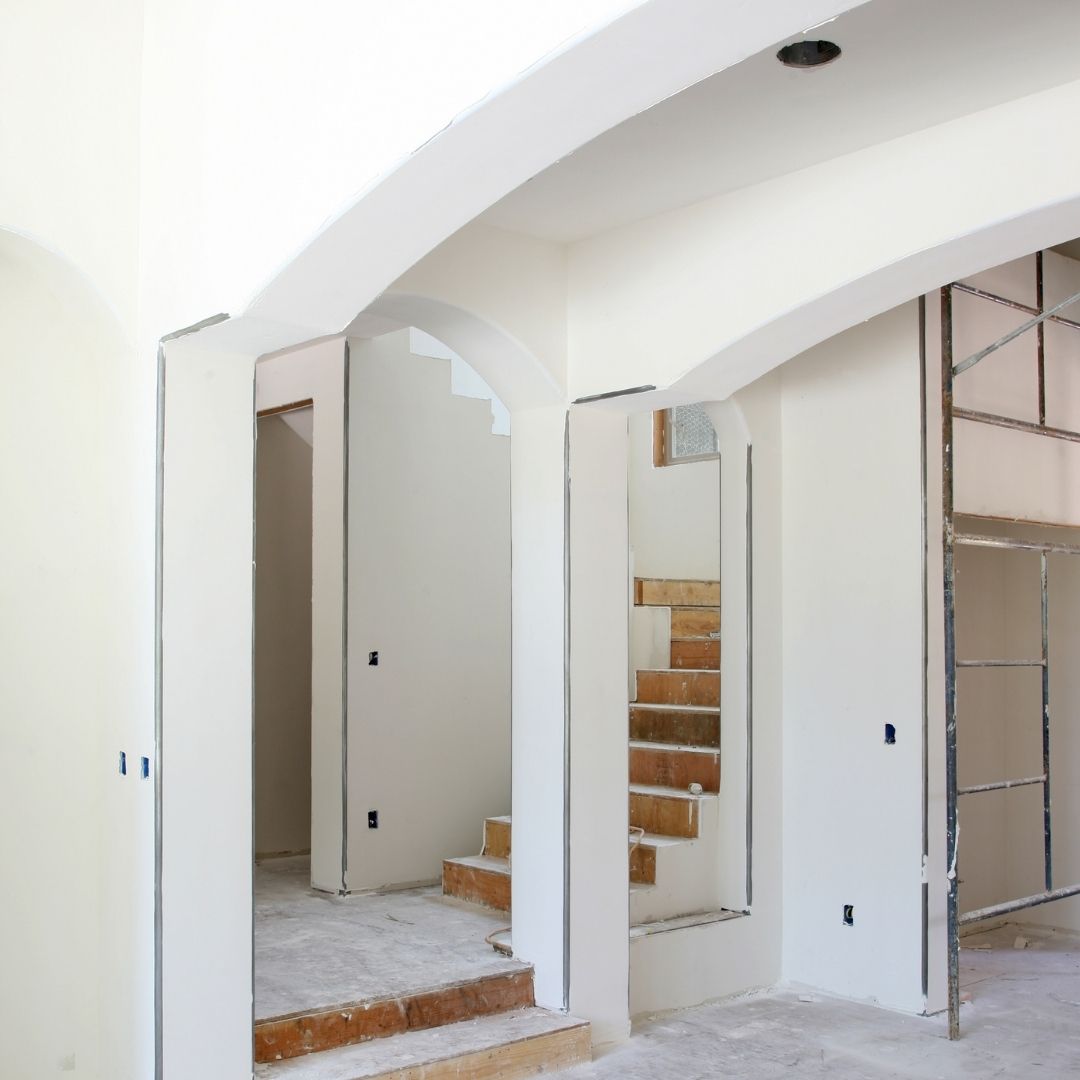
- Visible joins: lines or ridges where the sheets meet show through the paint.
- Popped screws or nails: small round bumps or cracks appear over the fixings.
- Cracks along sheet joins: straight cracks follow the edges of the sheets.
- Uneven walls: waves, dips or patchy texture show when light falls across the wall.
Some of these only show under certain light. Light that hits a wall at a low angle, from a window at the end of a wall or a spotlight aimed across it, shows up small imperfections you wouldn’t notice from straight on. Faults like these can often be fixed by re-setting the joins and fixings or skim coating the wall, rather than replacing the plasterboard.
Preventing plaster damage at home
The most common plaster repair we do is a hole where a door handle has hit the wall. It’s easily avoided by fitting a door stop at every doorway.
If you’re renting, don’t risk your bond over wall damage. Ask your property manager for door stops or buy them yourself. They cost far less than a plaster repair, or than having the repair paid for out of your bond.
A few other habits help prevent damage:
- Hanging pictures: use hooks or wall anchors made for plasterboard, and screw into a stud for anything heavy. Hammering nails or tacks into plaster often chips the surface.
- Damp rooms: in a room that’s prone to damp, a dehumidifier or moisture-absorbing tubs help. Moisture weakens plasterboard, makes it swell and crack, and gives mould a place to grow.
- Drainage: keep water draining away from the house so the ground under it doesn’t swing between soaked and dry.
Old plaster walls and asbestos
If your home is older, take care before you sand, scrape or drill an old wall or patch. The Queensland Government says that asbestos might be found bonded in plaster patching compounds and textured paint, as well as in older wall sheeting, and that if your house was built before 1990, there is a good chance it contains asbestos.
You can’t tell whether a material contains asbestos just by looking at it, so the Queensland Government advises assuming it does until a sample is tested by an accredited laboratory. Its tips for home renovators list sawing, sanding, scraping and drilling holes in asbestos materials among the things not to do. If you’re unsure about an old patch or a textured finish, get it tested before you start.
Plasterboard and drywall repair in Brisbane: when to call a plasterer
Call a plasterer when the damage is more than a patch kit can handle, or when it keeps coming back. That includes:
- Several large holes or cracks: numerous or larger repairs come up neater with a plasterer’s tools and experience.
- Water-damaged plasterboard: walls that are stained, soft or swollen after a leak or storm usually need the damaged board cut out and replaced.
- Bulging walls: plasterboard that has bowed away from the frame needs to be refixed.
- Cracks near the ceiling: if the ceiling is shifting or sagging, get it checked soon, because a ceiling can come away and damage whatever is underneath. Our guide to fixing a sagging ceiling explains the warning signs.
We repair cracks, holes, damaged plasterboard and water-damaged walls and ceilings, from a single patch to larger repairs, as part of our residential plastering service, and we handle water damage and insurance work. In older homes and Queenslanders, our renovation and restoration work includes repairing cracked walls with the right board to help stop the cracks returning.
Frequently asked questions about plaster repairs
Can I fix a crack in a plaster wall myself?
Yes, if it’s a fine crack or a small hole. A patching kit or filler from the hardware store, a scraper, sandpaper and matching paint will handle most small plaster repairs. Larger holes and cracks that keep coming back are better left to a plasterer. In an older home, have an old patch or textured finish tested for asbestos before you sand it.
Why does the crack in my wall keep coming back?
A crack that returns after patching usually means the wall is still moving. Houses shift as the soil under them dries out and gets wet again, and plasterboard cracks where the wall changes direction or moves. Patching the crack again won’t hold until the cause is dealt with, which may mean fixing drainage around the house. After that, a plasterer can repair the crack properly.
How do you repair a large hole in plasterboard?
A large hole is cut back to a clean square, and a backing piece or a new section of plasterboard is fitted into the opening. The joins are then set with plaster in several coats, each one sanded smooth, so the repair sits flush with the wall. Once it’s painted, the patch shouldn’t show. It’s slower than it sounds, and getting it flat takes practice.
What does a bad plaster job look like?
The common signs of a bad plaster job are joins that show through the paint, screw or nail heads popping, straight cracks along the sheet edges and walls that look wavy when light falls across them. Some of these show up months after the plastering is finished. Many can be fixed by re-setting the joins and fixings or skim coating the wall, without replacing the plasterboard.
Is plasterboard the same as drywall?
Yes. Plasterboard is also called drywall, gyprock or wallboard, and it lines the walls and ceilings of most Australian homes. Each sheet has a gypsum core faced with heavy paper. Drywall is the name used in the United States, while in Australia it’s more often called plasterboard or gyprock, and the same repairs apply to holes, cracks and water damage whatever you call it.
If you’ve got holes, cracks or water damage that’s beyond a patch kit, send us a few photos through our contact page and we’ll get back to you with a free quote.