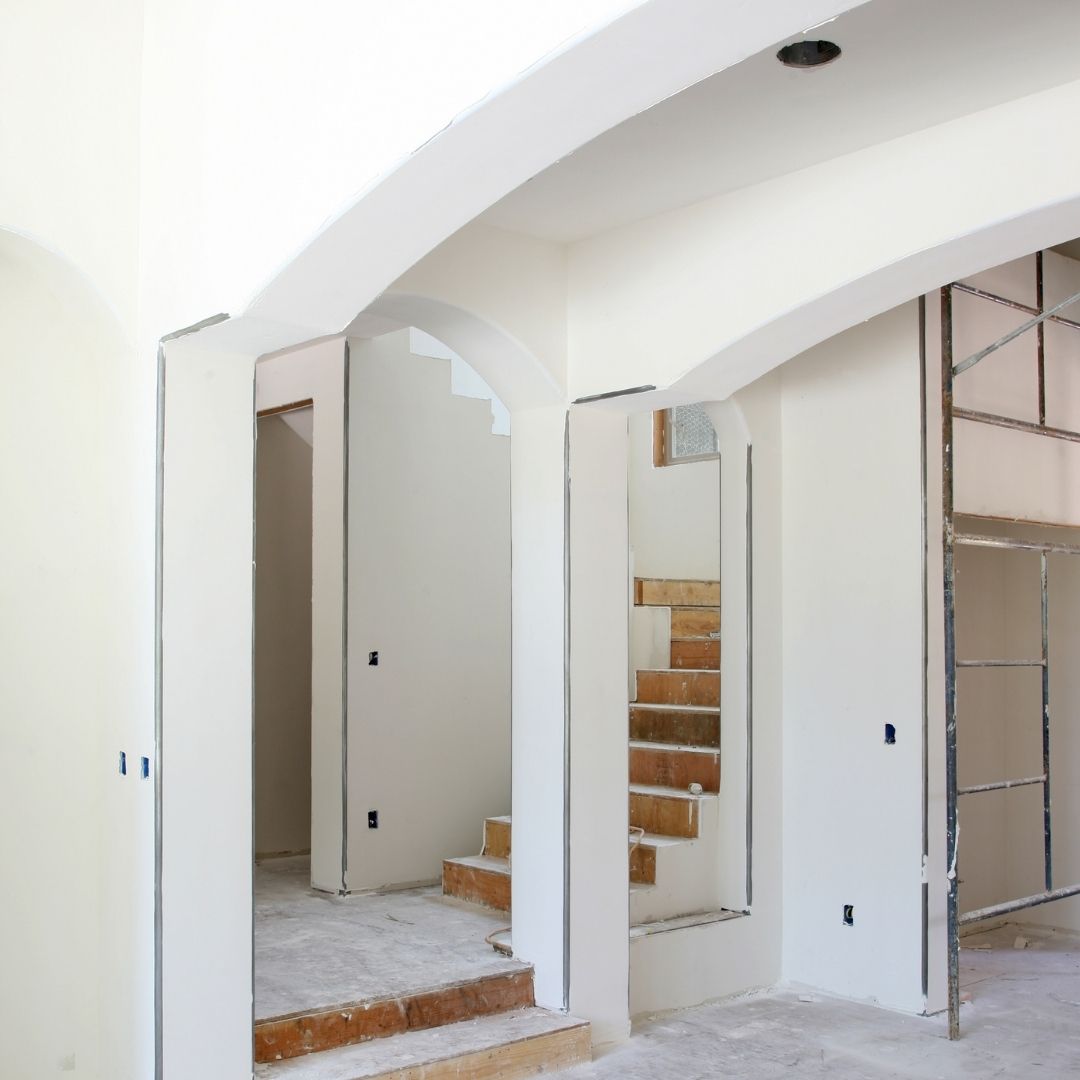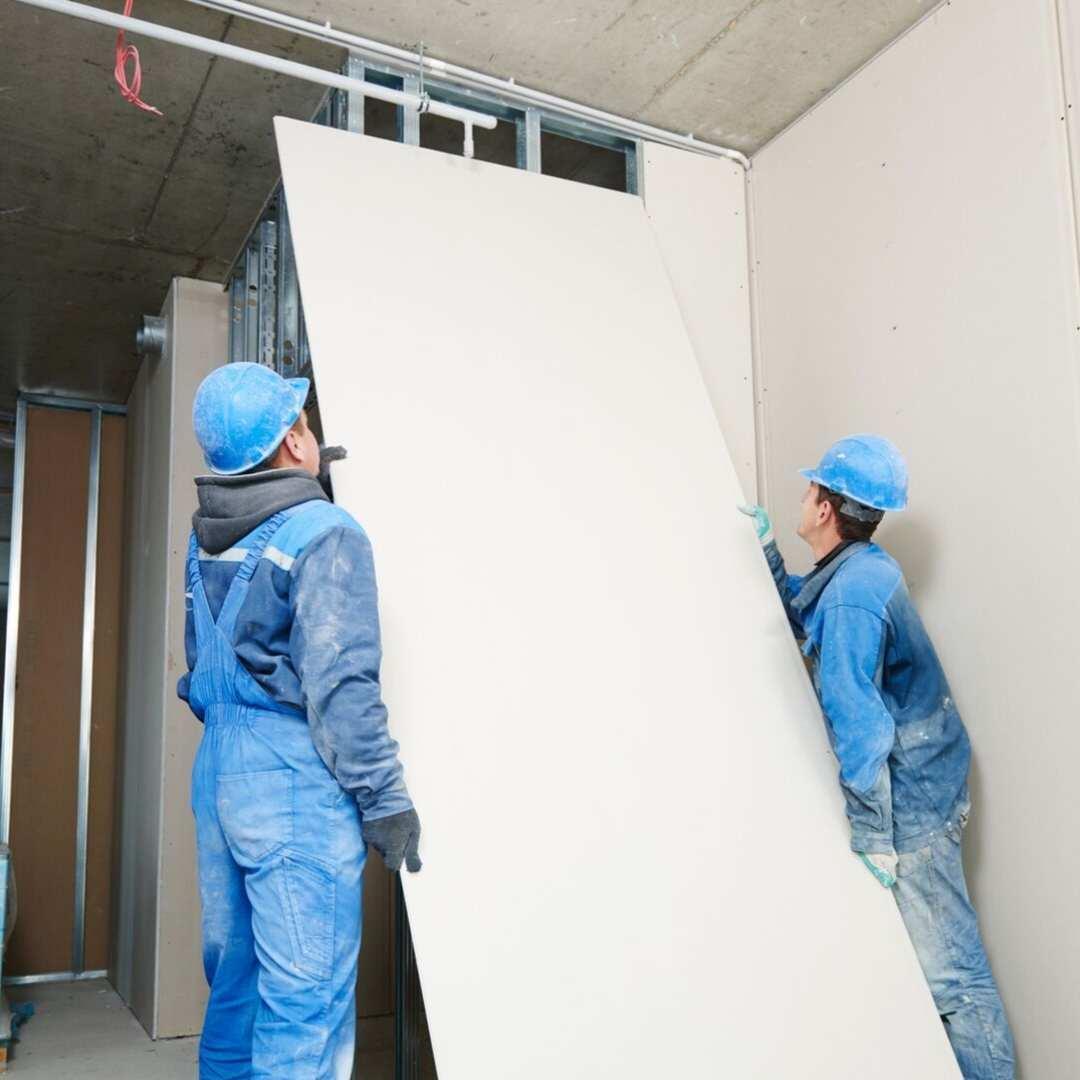

In Australia, stucco is usually called render. When a builder or tradie here talks about a rendered house, they mean the same kind of cement or acrylic coating that Americans call stucco, and the equivalent work inside the house is called plastering. Here’s how the names line up, so you can ask for the right thing.
What is stucco called in Australia?
Stucco is called render in Australia, and putting it on a wall is called rendering. You’ll still see the word stucco on some paint tins, in American product names and in older architecture books, but if you ring around Brisbane asking for stucco, most people will assume you mean render on an outside wall.
Both words describe the same thing: a binder (cement, lime or a mix of the two) combined with sand and water, trowelled onto a wall in coats and left to set into a hard skin that can handle the weather. Americans call it stucco. In Britain and Australia it’s render, and the word plastering is kept for walls and ceilings inside the house.
So if you’re reading an American renovation site and it says stucco, read render. If it says drywall, read plasterboard. (There’s more on that further down.)
Are stucco and plaster the same thing?
Stucco and plaster are close relatives, but they aren’t quite the same thing. Both are made from a binder, a fine aggregate and water, and both go on wet with a trowel. The difference is where they go and what they have to put up with.
- Plaster: goes on inside walls and ceilings. Most plaster used in homes today is gypsum based. It sets quickly and sands to a smooth finish, but gypsum softens if it stays wet, so it belongs indoors.
- Stucco or render: goes on outside walls. It’s usually cement based, sometimes with lime added, and the sand is coarser. It has to cope with sun, rain and Brisbane humidity, so it’s harder and more water resistant than an interior plaster.
The word has an older meaning too. In Europe, stucco also described the fine decorative plasterwork inside churches and grand houses: the mouldings, ceiling details and carved-looking wall panels. That is much closer to what Australians call ornamental or decorative plaster. If an older book or a European source calls something stucco, it may be talking about indoor decorative work rather than an outside wall.
What is acrylic stucco? Acrylic render explained
Acrylic stucco is the American name for what Australians call acrylic render or an acrylic texture coating. In American product talk it usually means an acrylic-based finish coat, often applied over a base coat or an insulated wall panel. Here, you’d ask for acrylic render.
Acrylic render is a render with acrylic polymer added to the mix. The acrylic makes it a little more flexible and helps it grip smoother surfaces than a plain sand and cement render can. That’s why it’s often used over lightweight cladding panels, fibre cement sheet and newer brickwork, and why it can go on in thinner coats.
Acrylic render isn’t crack-proof, though. It copes with small movement better than cement render, but it won’t hold together a wall that is cracking because the structure is moving. If cracks keep coming back in the same place, the cause usually sits behind the render, and that needs to be looked at before anyone patches or paints over it.
Types of render and stucco finishes on Brisbane homes
These are the render finishes you’re most likely to see on Brisbane houses.
- Cement render: sand, cement and usually a little lime, trowelled onto brick or block and then floated or sponged to a flat or lightly textured finish.
- Acrylic render: the same idea with acrylic added for flexibility and grip. You’ll often see it on newer homes and over lightweight cladding.
- Bagged brick: a thin mix rubbed over brickwork with a hessian bag or sponge, so the shape of the bricks still shows through. Once it’s painted, an old brick wall gets a softer, even colour.
- Lime render: the traditional stucco. It’s softer than cement and lets moisture move through the wall, which suits old soft bricks and heritage buildings.
Old and new materials don’t always mix well. Patching an old lime-rendered wall with a hard cement mix can trap damp in the wall, which is why heritage repairs generally stay with lime.
Can you paint stucco or render?
Yes, you can paint stucco or render, and cement render is usually painted. The render needs to cure properly first, and the paint should be one made for exterior masonry or render so it can handle the weather and let the wall breathe.
Some renders are coloured through the mix and are left unpainted. You can paint one of those later, but once you do, you’ve signed up for repainting it from then on. Fine hairline cracks can usually be filled and painted over. Wider cracks, or cracks that return, are worth having checked before the paint goes on.
Stucco inside the house: decorative plaster, cornices and ceiling roses
Inside an Australian home, the closest thing to traditional stucco work is decorative plaster. That means cornices, ceiling roses, panel mouldings and the ornate ceilings you see in older homes and Queenslanders.

This is the side of the old stucco tradition that we work on. In Queenslanders and other character homes we fit ornamental cornices, ceiling roses and decorative ceiling panels, and add picture rails or wainscoting to new walls so they suit the era of the house. You can see more of that work on our renovation and restoration plastering page.
Modern homes often go the other way, with square set or shadow line ceilings and no cornice at all. Both styles are plastering rather than rendering.
Drywall, sheetrock, gyprock and plasterboard: what the names mean in Australia
Drywall, sheetrock, gyprock and plasterboard are all names for the same kind of sheet: a gypsum plaster core faced with heavy paper on both sides. Which name you hear depends mostly on where the person learned the trade, or where the website you’re reading was written.
- Plasterboard: the general Australian name for the product.
- Gyprock: a brand of plasterboard that’s so well known here that many people use it for any plasterboard, the same way people call any cooler box an Esky.
- Drywall: the North American name for plasterboard.
- Sheetrock: an American brand name for drywall.
The difference between drywall and plaster is bigger than the difference between the names. Drywall arrives as finished sheets that are screwed or glued to the wall frame, and only the joins and screw holes are set with plaster. A solid plaster wall is built up wet, coat by coat, on brick or timber lath, and it has to dry out before it can be painted.
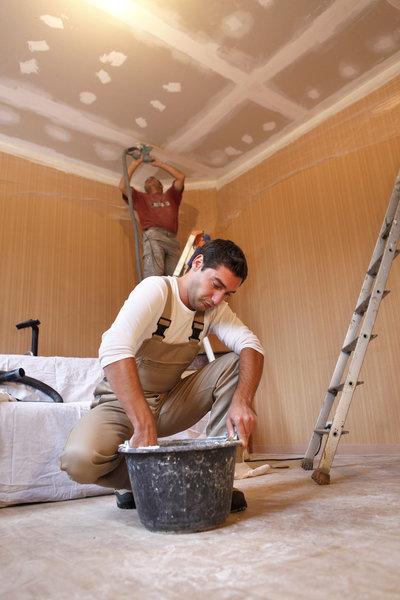
Most of the plastering we do is plasterboard: walls, ceilings, bulkheads and partitions, fixed, set and sanded ready for paint. If you’re trying to work out which type of plaster suits your own walls, we’ve written a separate guide to the different types of plaster for walls.
Frequently asked questions about stucco and render
What does stucco mean?
Stucco is a hard coating made from a binder such as cement or lime, mixed with sand and water, applied wet to a wall and left to set. The word comes from Italian, where it also covered fine decorative plasterwork. In the United States it mostly means the coating on outside walls. In Australia the same finish is called render, so you’ll rarely hear a local tradie call it stucco.
Is acrylic render the same as stucco?
Acrylic render is a type of stucco in the broad sense, because it’s a render applied wet to an outside wall. The difference is the acrylic polymer in the mix, which makes it more flexible and helps it bond to smoother surfaces than a traditional sand and cement or lime stucco. If an American product says acrylic stucco, the closest local match is acrylic render or an acrylic texture coating.
Can you use render inside a house?
Yes. Render is sometimes used on internal brick or block walls, usually with a smoother finishing coat over the top so it can be painted like the rest of the house. In most Australian homes the inside walls are lined with plasterboard instead, because it’s lighter and quicker to install and gives a flat surface that’s ready for paint once the joins are set and sanded.
What is the difference between screeding and plastering?
Screeding usually means laying and levelling a sand and cement layer on a floor, so tiles or other flooring have a flat base to sit on. Renderers also use the word for running a straight edge across wet render to flatten it. Plastering is the finish on walls and ceilings, whether that means setting plasterboard joins or building up a solid plaster coat. The tools overlap, but the work is different.
Is gyprock the same as plasterboard?
Yes. Gyprock is a brand of plasterboard, and because it has been around in Australia for a long time, many people use the name for any plasterboard. Other brands make the same kind of sheet, with a gypsum core between two paper faces. When a quote says gyprock, ask whether it means that brand or plasterboard in general, especially if you need a moisture-resistant or sound-rated board.
If your question is about the inside of your home, such as new plasterboard walls, a cornice that needs matching or decorative plaster in an older house, tell us what you have and where it is. You can send a few details and photos through our contact page and we’ll arrange a free quote.