
The main types of plaster for walls in Australian homes are plasterboard, fibrous plaster and solid plaster, and solid plaster can be lime, gypsum or cement based. Most Australian homes are lined with plasterboard, and within that there are different boards made for wet areas, noise, fire and knocks. Here’s how the main types compare and where each one goes.
Types of plaster for walls in Australian homes
There are three broad types of plaster for walls: plasterboard sheets, fibrous plaster sheets and solid plaster that’s applied wet.
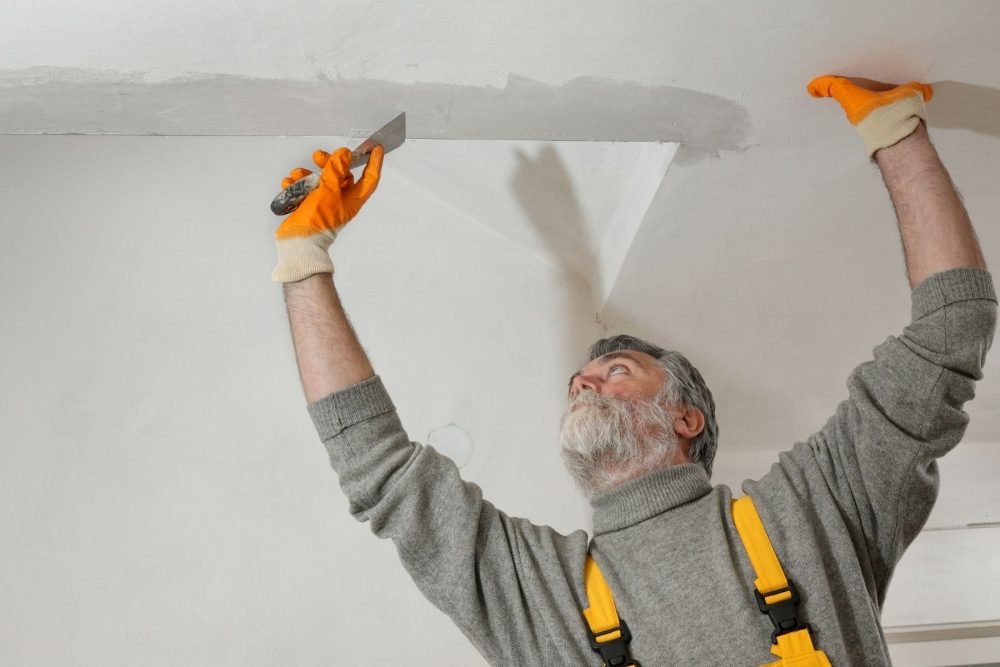
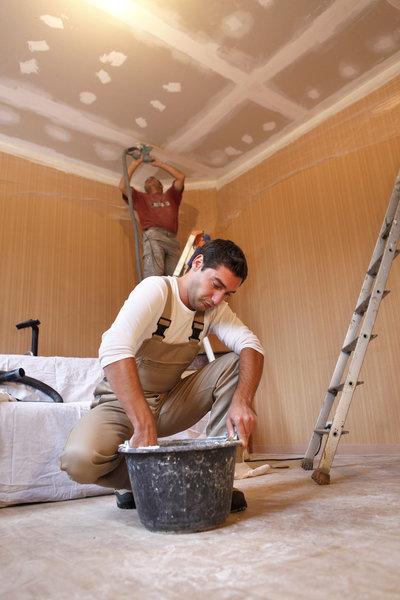
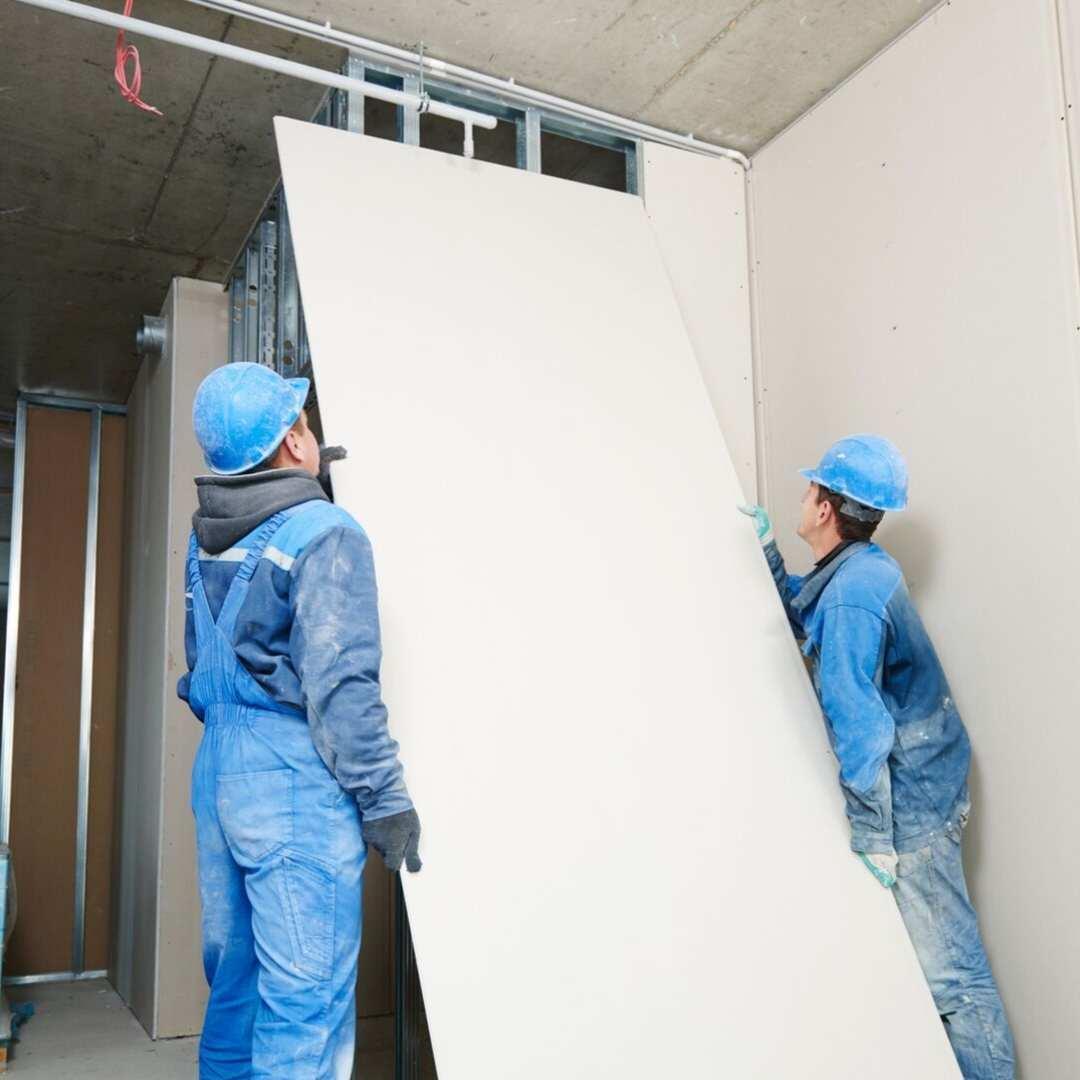
- Plasterboard: a gypsum core faced with heavy paper on both sides, fixed to a timber or steel frame. The joins are set with plaster and sanded flush, so once it’s painted the wall looks like one smooth surface.
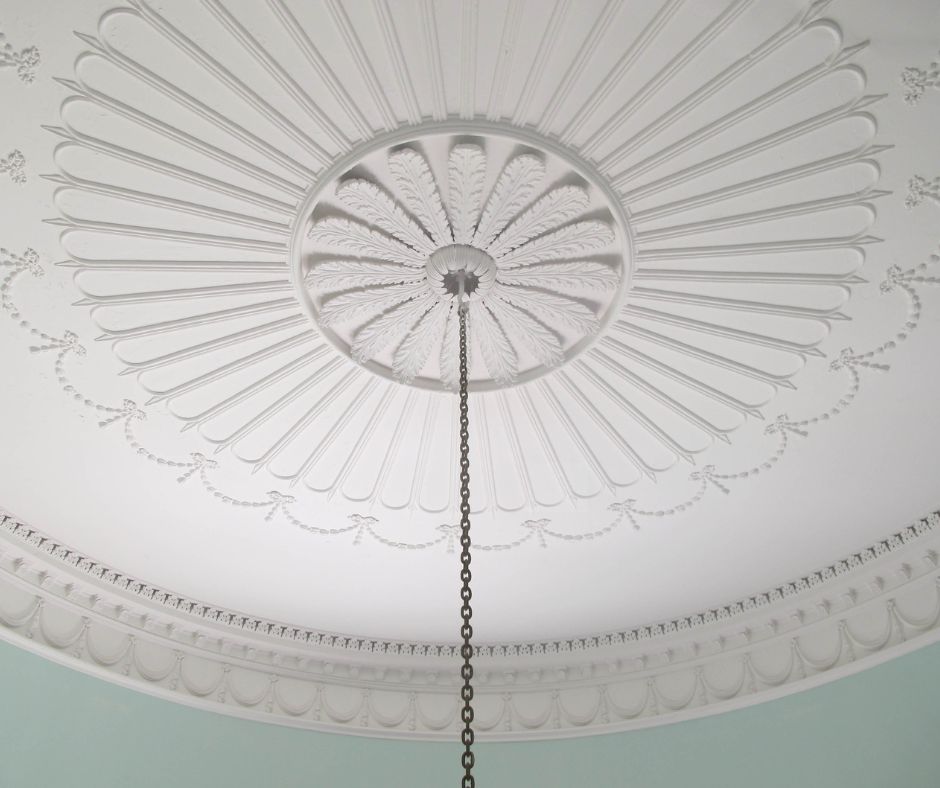
- Fibrous plaster: sheets cast from plaster of Paris and reinforced with fibre. You’ll find it in some older homes, and the same material is still used for cast cornices and ceiling roses.
- Solid plaster: a wet mix of lime, gypsum or cement with sand, built up in coats on brick, block or timber lath. This is the traditional plastering you see in older buildings.
If you’re renovating, you might find more than one of these in the same house. That’s normal for a home that has been extended or patched over the years.
Plasterboard types for walls
Plasterboard comes in several types, and the right one depends on the room it’s going into.
- Standard plasterboard: for most living areas, bedrooms and hallways.
- Moisture-resistant plasterboard: for bathrooms, laundries and kitchens, where steam and splashes would damage a standard board.
- Sound-rated plasterboard: a denser board used in acoustic walls and ceilings to cut down noise between rooms or units.
- Fire-rated plasterboard: used in walls and ceilings where the building needs a fire-rated system.
- Impact-resistant plasterboard: a tougher board for hallways, stairwells and rooms that take a lot of knocks.
- Flexible plasterboard: a thinner board that bends, for curved walls and arches.
Brisbane’s humidity is one reason the board choice matters. A standard sheet in a steamy bathroom can soften and sag over time, and we do a lot of repair work where the wrong plasterboard was used in the first place. Picking the right board for each room is much easier than replacing it later.
Traditional plastering: lime, gypsum and cement plaster for walls
Traditional plastering means building up a wall with wet plaster in coats, and the three main mixes are lime, gypsum and cement based.
- Lime plaster: the oldest of the three. It sets slowly as it takes in carbon dioxide from the air, stays slightly flexible and lets moisture move through the wall. Today it’s mostly used for heritage repairs.
- Gypsum plaster: sets much faster than lime and gives a smooth, hard finish. Gypsum is also the base of the setting compounds used on plasterboard joins and the plaster of Paris used to cast cornices.
- Cement plaster: sand and cement, sometimes with lime. It’s hard wearing and handles damp better than gypsum, so it’s used on internal brick and block walls that need a tough base.
Cement plaster on an outside wall is called render. We’ve covered the outside version separately, in our post on what stucco is called in Australia.
Lath and plaster walls and other older wall types in Brisbane homes
Lath and plaster is the wall type you’ll find in many homes built before plasterboard was common: thin timber strips nailed across the wall studs and covered with coats of lime plaster.
The first coat was pressed hard enough to squeeze through the gaps between the laths, where it curled over and locked on. Animal hair, often from horses or cattle, was mixed in to hold it together. The result was a solid, quiet wall. After many decades, though, the plaster can lose its grip on the laths and start to bulge or crack.
In Brisbane, a lot of Queenslanders were never plastered at all. Their walls were usually VJ boards, timber boards with a V-shaped joint, and many renovations keep the VJs in hallways and living areas and use plasterboard in bedrooms, kitchens and bathrooms. Restoring Queenslanders is our favourite kind of work, and our renovation and restoration plastering page has more on keeping that character.
Some older homes also have wall or ceiling sheets that look like plaster but aren’t. The Queensland Government’s asbestos website says asbestos cement sheeting, often called fibro, was used for wall and ceiling sheets inside homes, particularly in kitchens, bathrooms and laundries. The same site says asbestos is very difficult to identify by sight, and the only way to be certain is to have a sample tested by a laboratory. Have anything doubtful tested before it’s cut, drilled or sanded.
Patching an old wall has its limits. A repair on lath and plaster or fibrous plaster can be blended in well, but it’s slower work than patching plasterboard, and under strong side light the repair may still show.
Different plaster finishes for walls
Plaster finishes for walls range from a basic set finish to a skim coat over the whole surface. AS/NZS 2589, the Australian and New Zealand Standard for applying and finishing gypsum linings, sets out these levels of finish.
- Level 3: joins and fixings set, for areas that will get a heavy texture or where looks matter less, such as a garage or storeroom.
- Level 4: the usual finish for walls and ceilings with flat or low-sheen paint under normal lighting. Most homes are finished to this level.
- Level 5: a skim coat over the whole surface, for walls and ceilings under strong side light or with gloss or semi-gloss paint.
We follow the Standard and help you choose the level for each room based on the lighting and the paint you have planned. There’s more on that on our residential plastering page.
The edges and the surface change the look as well. Square set and shadow line ceilings leave out the cornice for a clean, modern line, while ornamental cornices suit older homes. Painted plasterboard can also be wallpapered or given a textured finish that’s sprayed or rolled on.
Best plaster for interior walls in a Brisbane home
For most interior walls in a Brisbane home, the best plaster is standard plasterboard finished to Level 4, with a different board wherever the room calls for one.
If you’re lining a bathroom or laundry, use a moisture-resistant board. If you’re putting a bedroom next to a media room or a busy living area, a sound-rated board in an acoustic wall will help keep the noise down. If you’ve got kids, dogs or a narrow hallway, an impact-resistant board holds up better to knocks. And if you’re restoring an older home, the best plaster is often the one that matches what’s already there, whether that’s lime, fibrous plaster or a decorative cornice.
Frequently asked questions about types of plaster
What is traditional plastering?
Traditional plastering is wet plastering. The plasterer mixes lime, gypsum or cement with sand and water and trowels it onto brick, block or timber lath in several coats. Each coat has to firm up before the next one goes on, and the final coat is worked smooth with a steel trowel. It’s slower than plasterboard, which is why it’s mostly used now for heritage work and repairs to older walls.
What is plaster of Paris used for?
Plaster of Paris is a fine gypsum plaster that sets quickly once it’s mixed with water. In building work it’s used to cast cornices, ceiling roses and other decorative pieces, and when it’s reinforced with fibre it becomes fibrous plaster. It isn’t used to line whole walls in modern homes, where plasterboard has taken its place, but it’s still the material behind a lot of ornamental plaster.
What type of plaster is used in bathrooms?
Bathrooms, laundries and other steamy rooms are lined with moisture-resistant plasterboard, which is made to cope with humidity better than a standard sheet. In Brisbane’s humid climate that matters. The board isn’t waterproofing, though. Shower areas are waterproofed with a membrane under the tiles, and that’s a separate step that happens before the tiler starts.
Is fibrous plaster the same as fibro?
No. Fibrous plaster is gypsum plaster reinforced with fibre and cast into sheets, cornices and ceiling roses. Fibro is the everyday name for fibre cement sheeting, and older fibro can contain asbestos, according to the Queensland Government’s asbestos website. The two can look alike once painted, so if you’re unsure what’s on your walls, have it tested before anyone cuts or sands it.
Do different types of plaster need different paint?
Yes, to a point. New plasterboard needs a sealer undercoat so the paper face and the set joins take the topcoat evenly. Solid plaster has to dry out right through before it’s painted. Old lime plaster does best with a paint that lets moisture escape, because sealing it in can trap damp in the wall. Your painter should match the paint to the type of plaster on the wall.
If you’re planning new walls, matching an old one or you’re not sure what your current walls are made of, tell us what you’ve noticed and where. Send a few details and photos through our contact page and we’ll arrange a free quote.