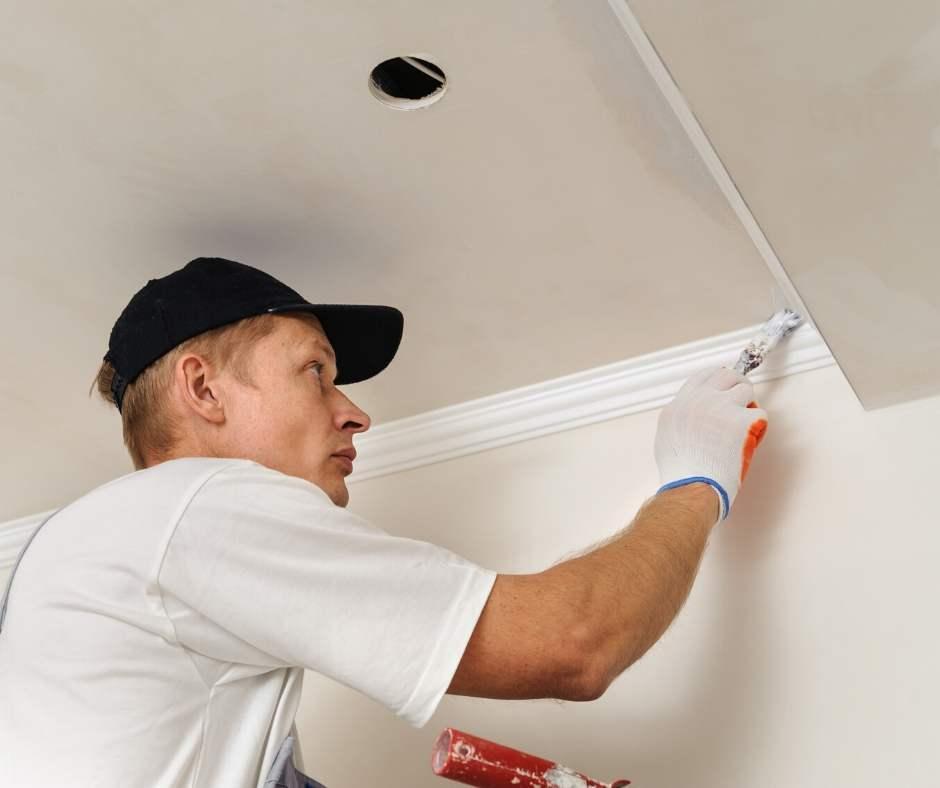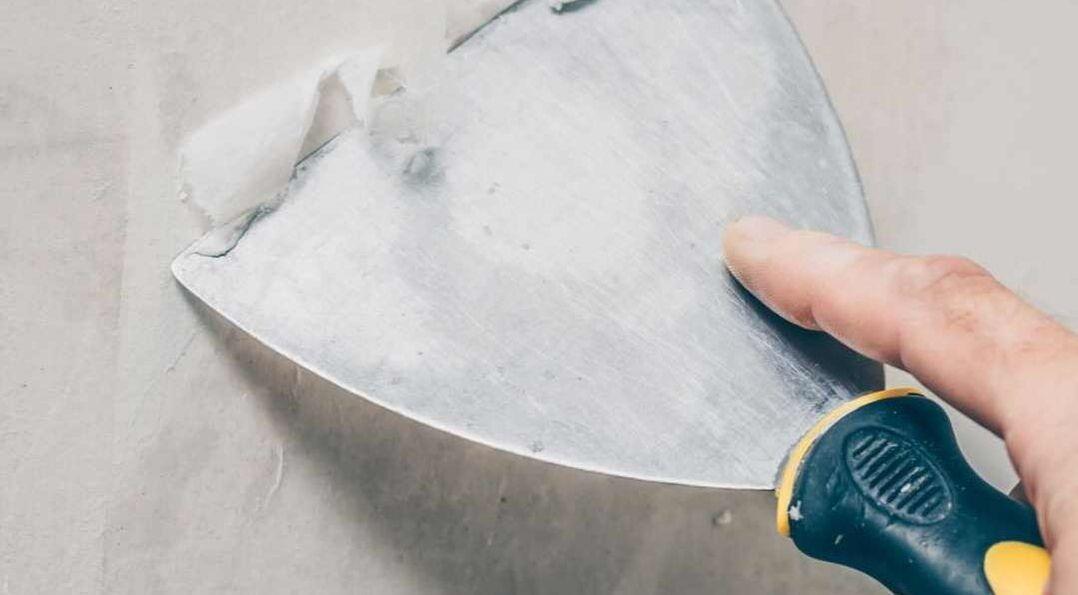

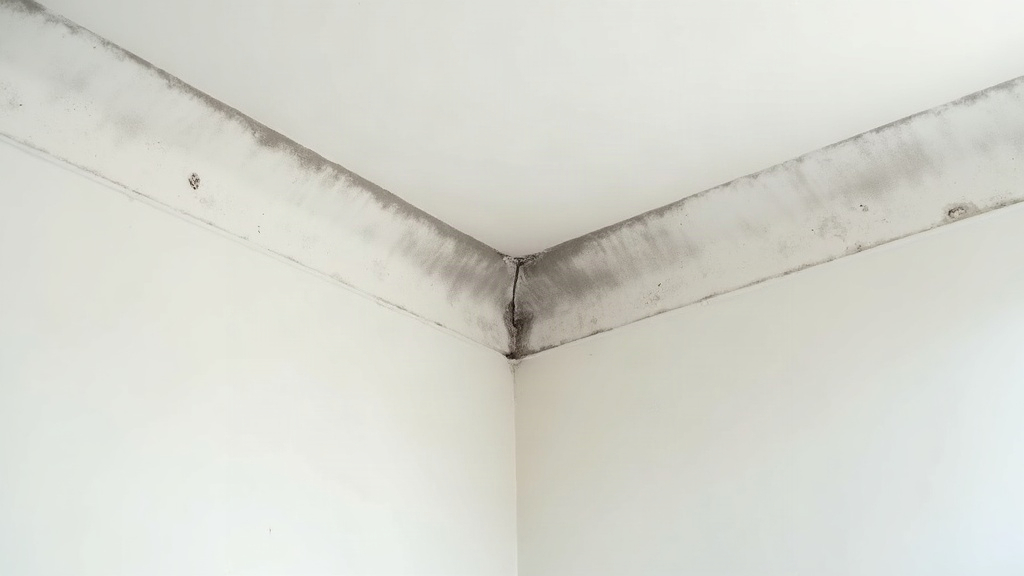
Mould on the ceiling isn’t always a plaster problem. Often it’s a moisture problem that shows up on the plaster first. In a Brisbane summer, a bedroom with the door shut, or a ceiling under a hot, damp roof, can grow mould on perfectly sound board.
It becomes a plaster problem when the board itself is damaged. Soft spots, water stains that keep spreading, bubbling paint or a sag all mean the moisture has got into the plasterboard. At that point cleaning and painting won’t hold, and the damaged section needs replacing.
Here’s how to work out which one you’re dealing with, and what fixes each.
What causes mould on the ceiling in Brisbane homes?
Mould grows wherever moisture sits long enough. On a ceiling, that moisture usually comes from one of two places.
Condensation and mould on the ceiling
Condensation forms when warm, humid air meets a cooler surface. Brisbane’s humid months make it more likely, especially in rooms that are closed up for long stretches: bedrooms overnight, a spare room nobody uses, or a wardrobe against an outside wall. You’ll often see a light, even spread of spots across a corner or along the edge where the ceiling meets the wall.
The board behind condensation mould is often fine. The surface is the problem, and so is the airflow in the room.
Leaks and mould on the ceiling
A leak is different. Water from a damaged roof, a blocked gutter or a pipe in the ceiling space soaks into the board from above. That kind of mould usually sits inside a brown or yellow water stain, and the stain tends to grow after heavy rain.
This is the one to take seriously. Plasterboard is a gypsum core with a paper face, and once it’s been soaked the paper feeds mould and the core loses strength. Get the leak fixed first. Until then, any ceiling repair is temporary.
How to check if mould on the ceiling has damaged the plaster
You can learn a lot from a careful look and a gentle touch. Wear gloves and a mask while you check.
- Look for a stain: Mould inside a brown ring points to water coming through from above.
- Feel the board: Press lightly with a flat hand. Firm is good. Soft, damp or crumbly means the plaster is damaged.
- Check the paint: Bubbles, blisters or peeling patches show moisture is pushing through from behind.
- Look along the joins: Cracked or lifting joint tape often follows water damage.
- Look for a sag: Any dip between the ceiling joists means the board has lost strength and needs attention soon.
If the board is firm, dry and unstained, you’re most likely looking at surface mould. If any of the other signs show up, plan on a repair rather than a repaint.
When mould on the ceiling can be cleaned and painted
Surface mould on sound board is usually a clean and repaint. Queensland Health advises not to dry brush mould because it can spread spores, and recommends gloves, goggles and a P2 mask with a mould cleaner, detergent or white vinegar, but never vinegar mixed with bleach (Queensland Health, Cleaning up mould after a disaster). It also says bleach may not work on porous surfaces, and plasterboard is porous.
After cleaning, the ceiling needs to dry completely. Then it’s painted in this order:
- Stain blocking primer: Stops old mould marks and water stains showing through the new paint.
- Mould resistant ceiling paint: Two coats of a ceiling paint with a mould inhibitor, chosen for the room.
- Airflow changes: A fan, an open window or a ducted exhaust in wet rooms keeps the new paint from going the same way.
Painting over mould without cleaning and priming tends to fail. The spots come back through the paint, sometimes within weeks. Our team handles the prep and the painting together. You can read more about ceiling and interior painting in Brisbane and what goes into it.
When mould on the ceiling means the plaster has to be replaced
Once the board is soft, stained right through or sagging, it has to come out. A soaked ceiling can lose strength and come down, so damaged plaster shouldn’t be left up.
Patching a mouldy ceiling section
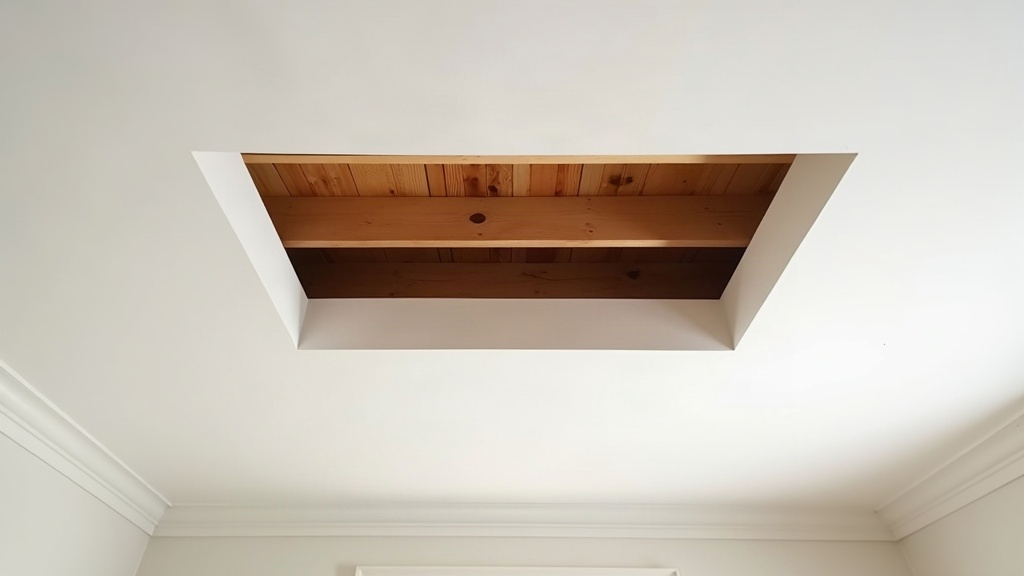
If the damage is in one area, the affected board is cut out back to sound plaster. The framing is checked to make sure it’s dry. A new piece of plasterboard is fixed in, the joins are taped and set, and the repair is sanded and painted so it blends into the rest of the ceiling.
Replacing the whole ceiling
Where mould and water damage have spread across most of a room, a full ceiling replacement is often the cleaner result. Several patches across one ceiling can show under light and may cost more over time than starting fresh. A new ceiling also lets you choose the board, such as moisture resistant board for a laundry, and the cornice style.
Is mould on the ceiling a health risk?
It can be, for some people. Queensland Health says mould can cause some people to develop health problems, and if anyone in your household is having health effects from mould, they should get advice from their doctor (Queensland Health).
Should you fix mould on the ceiling yourself?
A few small spots on firm, dry board are fine to clean yourself with the right protection. A large area, a ceiling that’s soft or sagging, or mould that keeps returning is better left to a plasterer. Cutting out damaged board stirs up dust and spores, and the repair has to be fixed into the framing properly so it doesn’t crack or drop later.
What decides the cost of fixing mould on the ceiling?
The price comes from seeing the ceiling. The main things that move it are:
- Surface or board: Cleaning and painting is a smaller piece of work than cutting out and replacing plaster.
- Size of the damage: One stained patch versus a whole room, or several rooms.
- Ceiling height: High ceilings and stairwells need more setting up.
- Cornice and details: Matching or replacing an older cornice adds time.
- Paint finish: The number of coats and the type of paint the room needs.
The fastest way to a firm answer is a free quote. Contact us with a photo of the ceiling and a note on how long the mould has been there.
Keeping mould off the ceiling after the repair
A repaired ceiling stays clean when the room stays dry.
- Air it out: Open windows when the weather allows, especially in bedrooms.
- Dry the house out: After heavy rain, Queensland Health’s advice is to dry your home quickly by opening the doors and windows.
- Fix leaks fast: A small roof leak can ruin a new ceiling in one wet season.
- Watch the corners: Wipe early spots before they spread.
If you’re not sure whether the mould on your ceiling is on the paint or in the plaster, send us a photo and we’ll explain the options.
Brisbane Plaster Pro. Call (07) 3064 0686. QBCC Licence 15576119 (MGH Contracting) and QBCC Licence 15511709 (All Paintworx).