
Plastering costs depend on the type of plastering, the area, the condition of what’s already there and the finish you want. Two rooms the same size can come out at very different prices once you factor in a high ceiling, an old cornice to match or water damage behind the sheet. Here’s what moves the price, and how to compare plastering quotes when they come in.
What affects plastering costs in Brisbane
The main things that affect plastering costs are the area, the type of work, the condition of the existing walls and ceilings, access and the level of finish.
- Area and layout: more wall and ceiling means more board and more labour, but a room full of corners, windows and openings takes longer than a plain wall of the same size.
- Type of work: new plasterboard, a ceiling replacement, a patch repair and ornamental cornice work all take different skills, materials and time.
- Condition of what’s there: removing old plaster, straightening a sagging frame or dealing with water damage all add work before any new plaster goes on.
- Access: high ceilings, stairwells, voids and tight spaces need platforms or scaffolding and more care.
- Materials: moisture-resistant, sound-rated and fire-rated boards cost more than standard board, and decorative cornices vary a lot in price.
- Level of finish: the levels are set out in AS/NZS 2589, the Standard for applying and finishing gypsum linings, and a higher level takes more time.
- Time and complexity: curves, decorative details and matching old profiles all take longer than flat, square work.
Prices move, and a number in a blog post can’t account for your ceiling height or what’s behind the old sheet. The only fair number is a quote for your own walls and ceilings.
Plastering types and how each one affects the cost
The type of plastering changes the cost because each one uses different materials, takes a different amount of time and needs different skills.
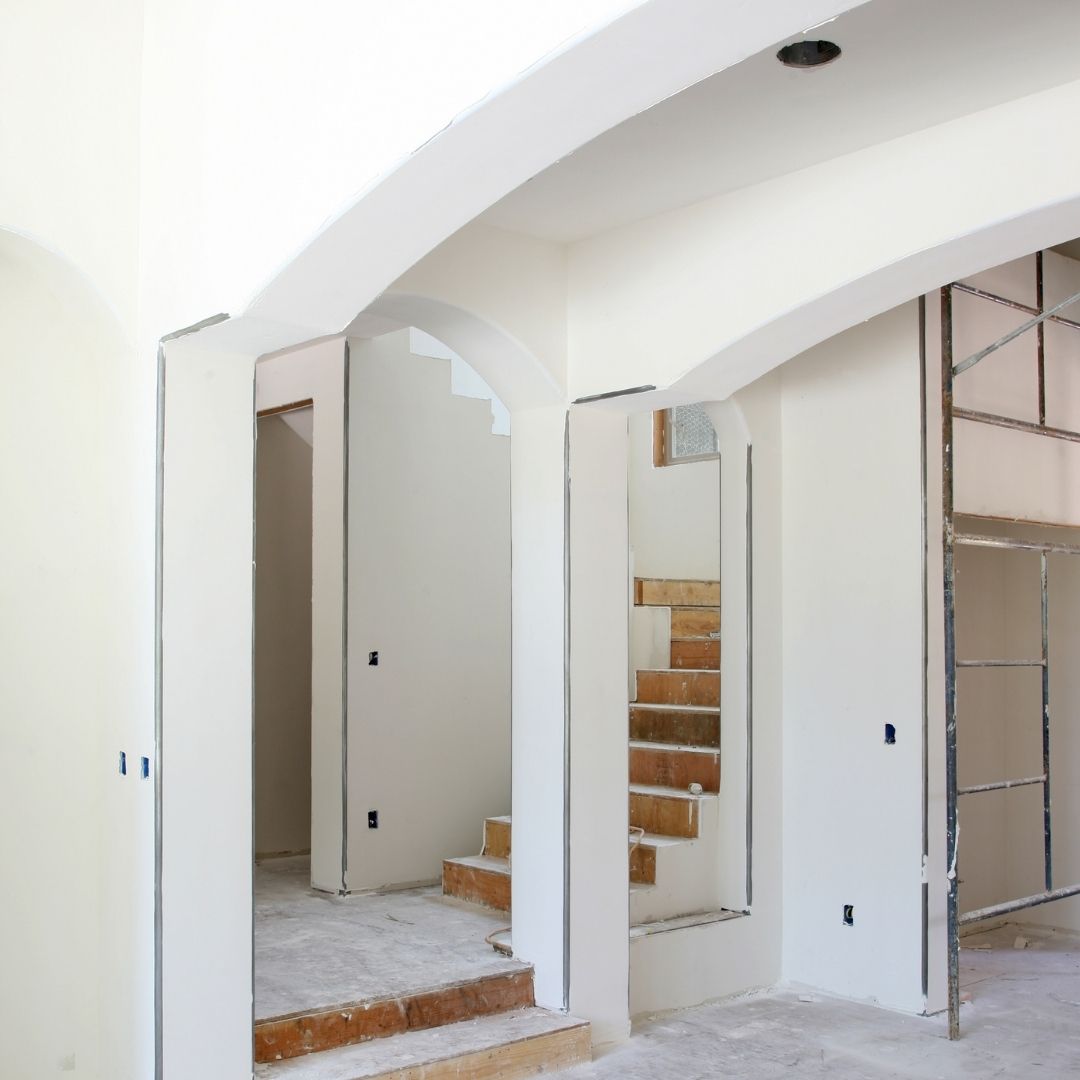
- New plasterboard walls and ceilings: priced mainly on the area, the board type and the level of finish. Most of the plastering we do is plasterboard.
- Ceiling replacement: includes taking down the old ceiling, checking the frame and hanging new sheets, so access and disposal are part of the price.
- Plaster repairs: small holes and cracks are quick to fill, but the time goes into matching the finish so the repair disappears once it’s painted.
- Cornices and ceiling roses: priced on the profile, the length and whether an existing pattern has to be matched.
- Square set and shadow line: there’s no cornice to cover the join, so the corners have to be set dead straight, which takes care.
- Soundproofing and bulkheads: extra framing, insulation or layers of board add materials and labour.
If you’d like to know more about the materials themselves, our guide to the different types of plaster for walls explains where each board and plaster is used.
Ceiling plastering cost: repair or replace
Ceiling plastering cost depends mostly on whether the ceiling can be repaired or needs new sheets, and that comes down to the size and cause of the damage.
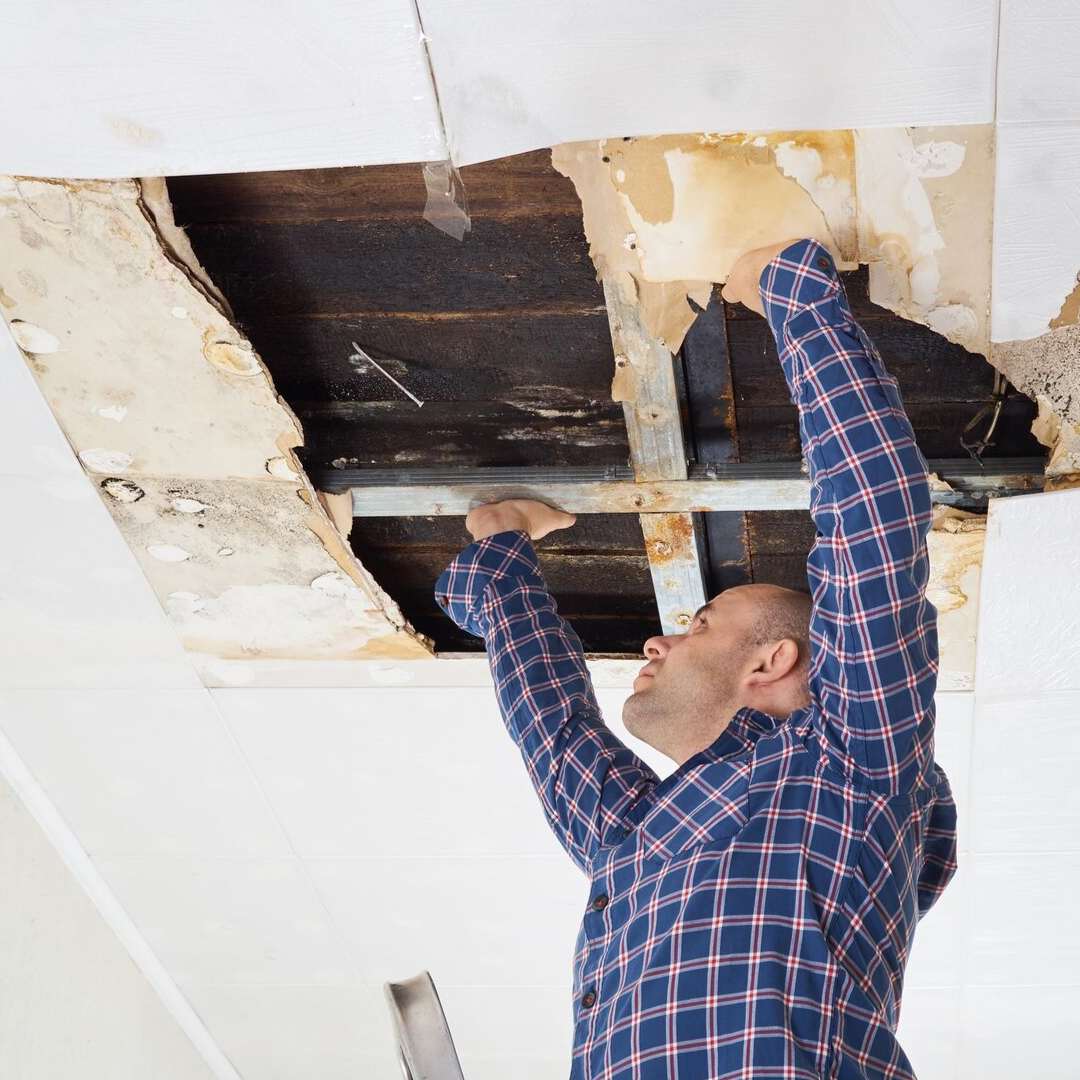
A small water stain or crack can often be patched, sealed and painted. A ceiling that’s sagging, soft from water or coming away from the joists usually needs the affected sheets replaced, and sometimes the whole room is redone so the finish matches. If the leak hasn’t been fixed first, the new plaster will just get wet again, so get the roof or plumbing sorted before the plastering starts.
We repair and replace water-damaged plasterboard and handle insurance work, from small repairs to full ceiling replacements. You can see the full list on our plastering services page.
Plaster repair costs for walls and ceilings
Repairing plaster takes longer than the size of the hole suggests, and that’s what drives the cost of a plaster repair.
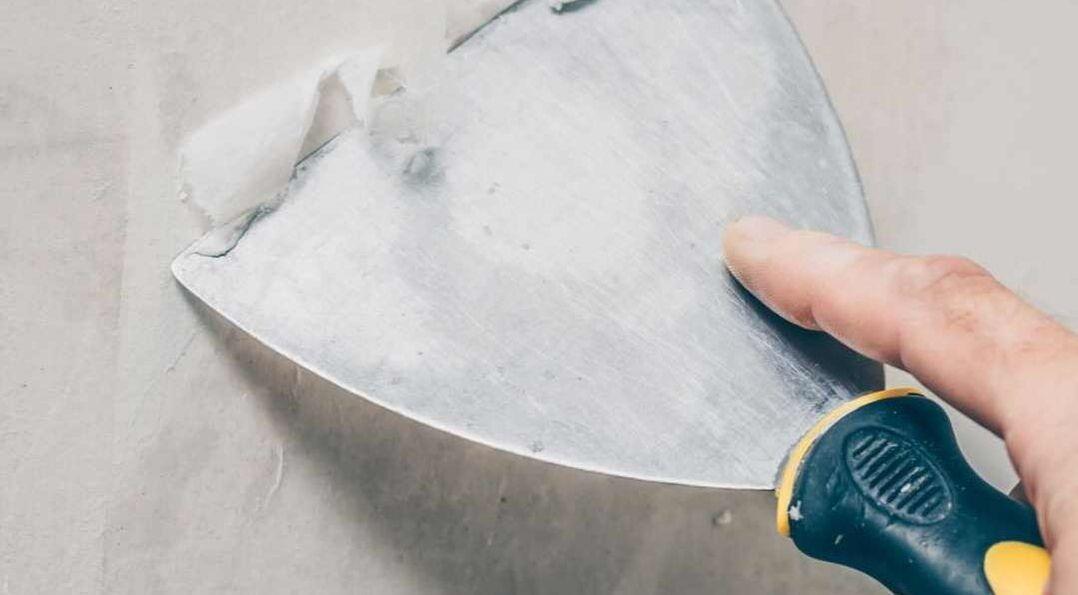
To repair a hole in plasterboard, the damaged area is cut back to a neat rectangle and a new piece of board is fitted. The joins are then set in several coats, and each coat has to dry before the next one goes on. After the last coat the patch is sanded smooth and it’s ready for painting. On a wall with a bit of sheen, or one that gets strong side light, the patch has to be feathered out wider so it doesn’t show.
A damaged cornice is slower again, because matching an old profile can mean tracking down a length that fits or replacing a whole run. Some plasterers price small repairs by the hour rather than by area, so it’s fair to ask how a repair quote is worked out. Our post on plaster repairs goes into the common repairs in more detail.
Ornamental plastering costs for cornices and ceiling roses
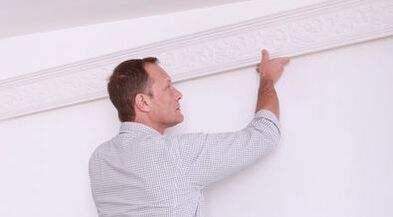
Ornamental plastering is slower and more detailed than plain plasterboard work, and the price reflects that.
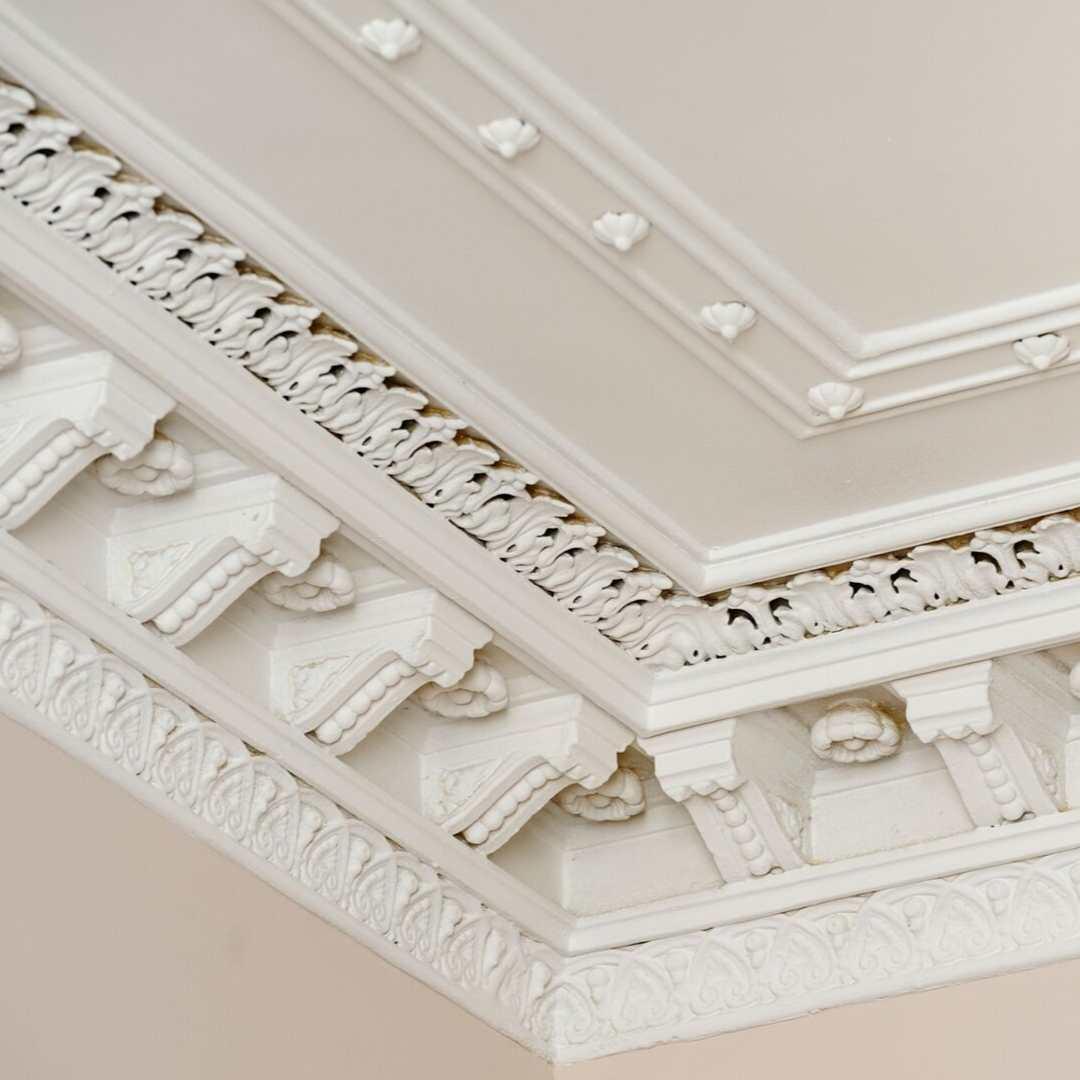
The things that move the cost are the size and detail of the cornice, how many corners there are, whether an existing pattern has to be matched and how high the ceiling is. A ceiling rose is usually a single piece, but it still has to be centred and fixed securely, often around a light fitting. As a general guide, the higher the ceiling, the bigger the cornice, so a tall Queenslander room takes a larger profile than a modern room with a standard ceiling.
Extra plastering costs to plan for in older homes
Older homes can add costs that a newer house won’t have, mostly because of what turns up once the old lining comes off.
- Removal and disposal: taking off old plaster or sheeting and taking it away.
- Asbestos testing: the Queensland Government’s asbestos website says asbestos is very difficult to identify by sight and the only way to be certain is to have a sample tested by a laboratory. If testing finds asbestos, we can arrange for it to be removed.
- Frame repairs: a sagging or damaged frame has to be fixed before new sheets go up, or the new ceiling will follow the old one.
- Period details: cornices, ceiling roses and picture rails chosen to suit the era of the house.
How to compare plastering quotes
Compare plastering quotes on what’s included, not just the bottom line. The QBCC recommends getting more than one quote, making sure each one prices the same scope of work, and not choosing on the lowest price alone.
These questions help you line the quotes up side by side:
- Scope: which walls and ceilings are included, and is removing and disposing of the old plaster in the price?
- Materials: which board is quoted for each room, and which cornice profile?
- Finish: which level of finish is the price based on?
- Painting: will the plaster be left ready for paint, or is painting included?
- Timing: when can the work start, and how long will it take?
Before you sign anything or pay a deposit, ask to see the plasterer’s QBCC licence. In Queensland a QBCC licence is needed for building work over a set value, and you can look up a licence number or name on the QBCC licensee register.
Frequently asked questions about plastering costs
How much does it cost to plaster a room?
The cost to plaster a room depends on its size, the ceiling height, the number of windows and doors, the board type and the level of finish. Removing an old lining or fixing water damage adds to it. A single figure for a room would only be a guess. Send us the room size and a few photos and we’ll give you a free quote based on the actual work.
Is it cheaper to repair or replace a plaster ceiling?
A repair is less work than a replacement, so if the damage is small and the sheet is still firm, patching is normally the cheaper option. Once a ceiling is sagging, soft or stained across a large area, a patch won’t last and replacing the affected sheets makes more sense. After we’ve looked at the ceiling, we’ll explain which option we recommend and why.
Why do plasterers price by the square metre?
Area is the simplest way to measure how much board, compound and labour a wall or ceiling will take, so many plasterers start there for new work. Small repairs are often priced by the hour or as a set price instead, because a small patch still needs several coats and drying time. Either way, ask what’s included so you can compare quotes fairly.
Does a Level 5 finish cost more?
Yes. A Level 5 finish takes more time than Level 4, because the whole surface gets a skim coat rather than just the joins and fixings. It’s worth it on walls and ceilings under strong side light or with gloss paint, where small marks would show. For most rooms Level 4 is enough, and we’ll help you choose the level room by room.
Do I need a licensed plasterer in Queensland?
In Queensland, building work over a set value needs a QBCC licence, and the QBCC lists the current threshold on its who must hold a licence page. Before you sign a contract or pay anything, ask to see the plasterer’s licence card or digital licence, and check the name or number on the QBCC licensee register.
If you’d like a price for your walls or ceilings, send us the room sizes and a few photos through our contact page. We’ll arrange an assessment where it’s needed and give you a free, no-obligation quote.