
Plastered walls in a new home and plastered walls in an older one are finished in quite different ways. In a new build, plastering mostly means fixing plasterboard to the frame and setting the joins until the wall is smooth enough to paint. On an existing wall, most of the work is preparation: checking what’s already there, repairing or removing it, and giving the new finish something solid to hold on to.
Here’s what you need to know.
How plastered walls are finished in a new build
Most new Australian homes are lined with plasterboard (often called gyprock) rather than wet plaster trowelled over the whole wall. Each sheet has a gypsum core faced with heavy paper, and the long edges are slightly recessed so the joins can be set flush. Once the sheets are fixed to the timber or steel frame, the joins, screw heads and corners are finished in layers:
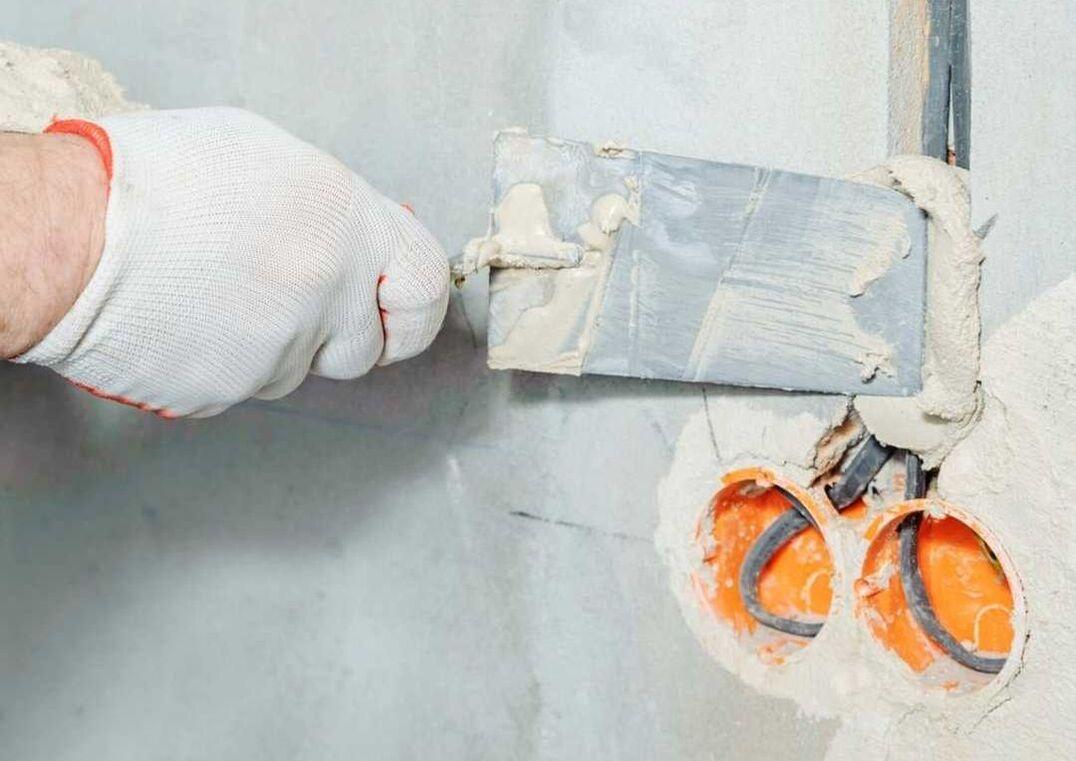
- Base coat: setting compound goes over the joins with paper tape bedded into it, and the screw heads are filled.
- Corners: outside corners get a metal or plastic corner bead so the edge stays straight and doesn’t chip, and inside corners are taped.
- Second and finishing coats: each coat is spread a little wider than the last and left to dry before the next one goes on.
- Sanding: the dry joins are sanded flush so they disappear under the paint.
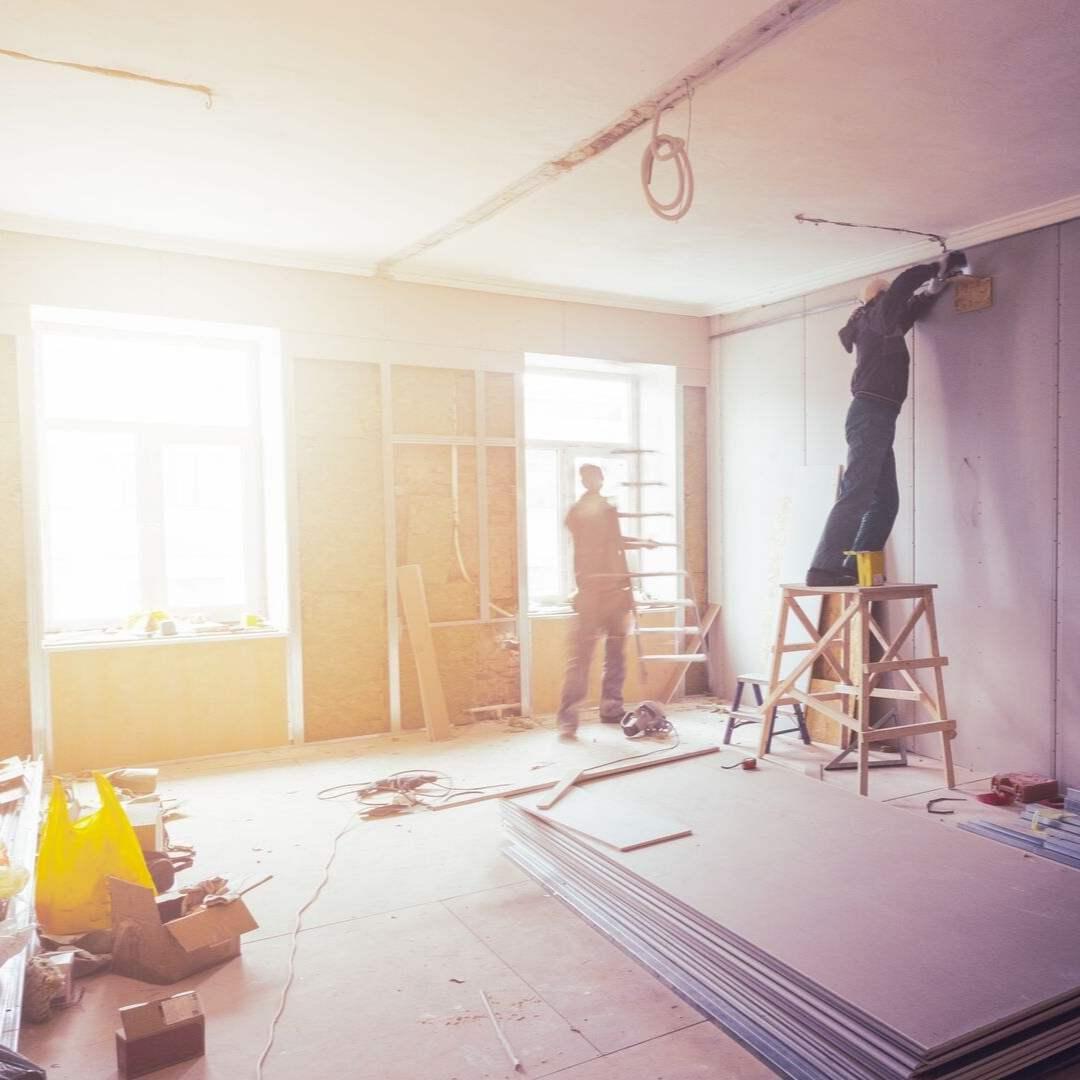
We fix and set plasterboard for new builds, extensions and renovations, and our residential plastering page explains the levels of finish and when a full skim coat is worth it. As a rule of thumb, light that rakes across a wall from a window or downlight, and gloss or semi-gloss paint, will show up small hollows, so walls in those spots need the smoothest finish.
Plasterboard also needs to stay dry. Sheets that get wet on site lose strength, and the paper face marks easily. Bathrooms, laundries and other wet areas need the right moisture-resistant board.
Plastering existing walls in a renovation
In an existing build, the work starts well before any plaster is mixed. Before your plasterer arrives, it helps to:
- Clear the room: move out what you can and cover anything that has to stay, including the carpet.
- Sort out water access: your plasterer will need a water supply, ideally one that doesn’t mean walking through the whole house.
- Decide on the skirting boards: they’re often taken off and refitted after the walls are done, but new linings can be finished up to existing skirtings if you’d rather keep them.
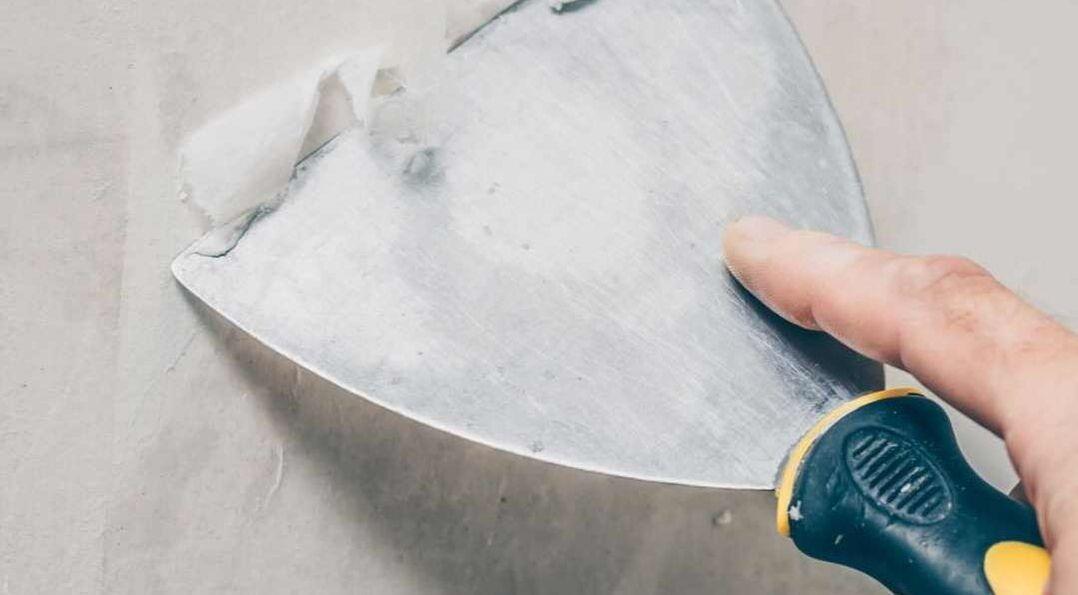
Then the wall itself gets checked. Loose or drummy plaster (it sounds hollow when you tap it) comes off, old wallpaper is stripped, cracks are opened up and filled, and the surface is cleaned and primed so the new coat bonds properly.
Older homes need one more check first. If your house was built before 1990, there is a good chance it contains asbestos, and the Queensland Government’s asbestos guidance says to assume a material contains asbestos until a sample has been tested by an accredited laboratory. Have older wall and ceiling sheets tested before anyone cuts, sands or drills them.
Can you plaster over existing plaster or plasterboard?
Yes, as long as what’s underneath is sound. Old hard plaster that’s still firmly stuck to the wall can be patched, sealed with a bonding primer and skim coated. Existing plasterboard can be skim coated as well, which is how the smoothest wall finishes are done.
What doesn’t work is plastering over a problem. If the plasterboard is water damaged, soft or sagging, or the old plaster is crumbling away from the brick, covering it only hides the fault for a while. Cutting out the damaged section, replacing it and setting it to blend with the rest of the wall is the better fix. We repair cracks, holes and water-damaged plasterboard on walls and ceilings across Brisbane.
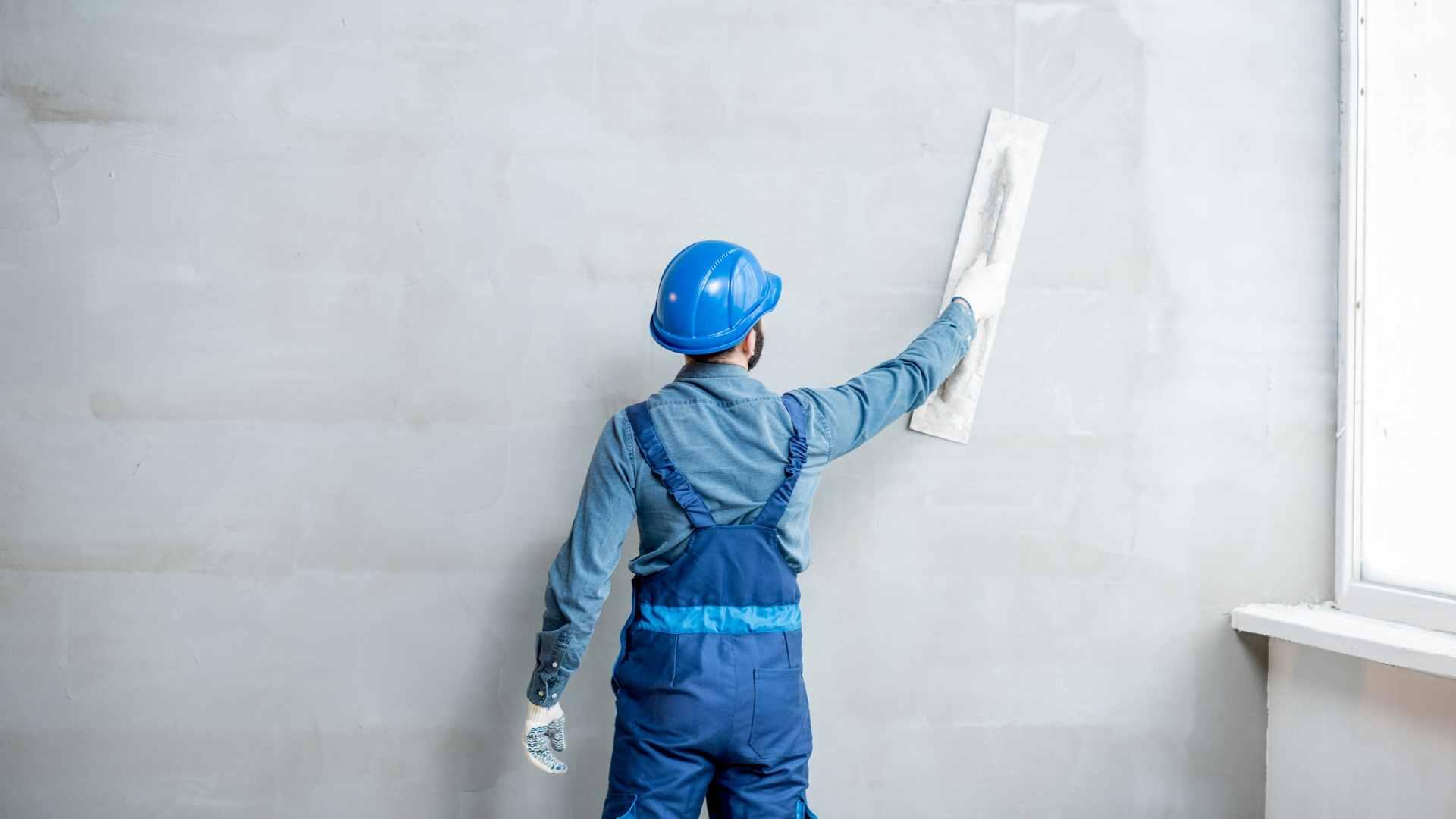
Brick wall plastering: can you plaster over a brick wall?
Yes. A brick or block wall can be solid plastered, with a cement-based base coat and a thin finishing coat, or it can be lined with plasterboard. Either way you end up with a smooth wall ready for paint.
A lot of brick homes around Brisbane are brick veneer, which means the brick is the outer skin and the inside walls are plasterboard on a frame. Bare brick or block inside the house is more likely in a lower level built in under a raised home, a converted garage or an old feature wall. If that’s your situation, our post on plastering the lower level of a Queenslander is worth a read.
Solid plastering directly onto brick
The brick is brushed back with a wire brush to remove loose mortar, dust and flaking paint. A cement-based base coat, similar to a render, is trowelled on to straighten the wall and fill the hollows. It’s scratched while it’s still green (firm but not fully cured) so the next coat grips, then finished with a thin top coat. The result is hard and solid, but it’s slow. A thick base coat takes much longer to dry than set joins on plasterboard, and it can crack if it’s rushed or the wall moves.
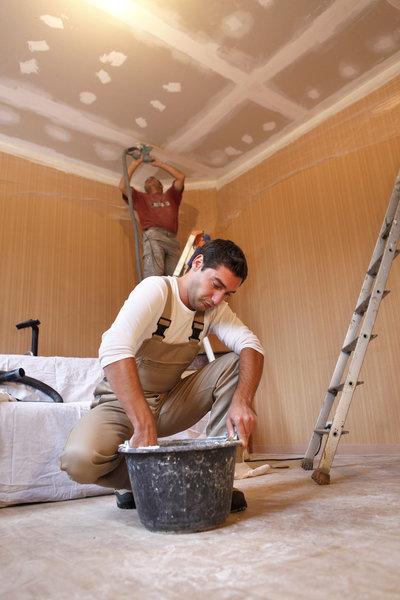
Lining a brick wall with plasterboard
The other way is fixing plasterboard over the brick. The sheets are either stuck on with daubs of adhesive or screwed to timber battens or metal furring channels fixed to the wall. Battens leave a gap behind the board for insulation or new wiring, at the cost of a little floor space. Once the board is up, the joins are set the same way as in a new build, and the wall is ready for paint much sooner than solid plaster.
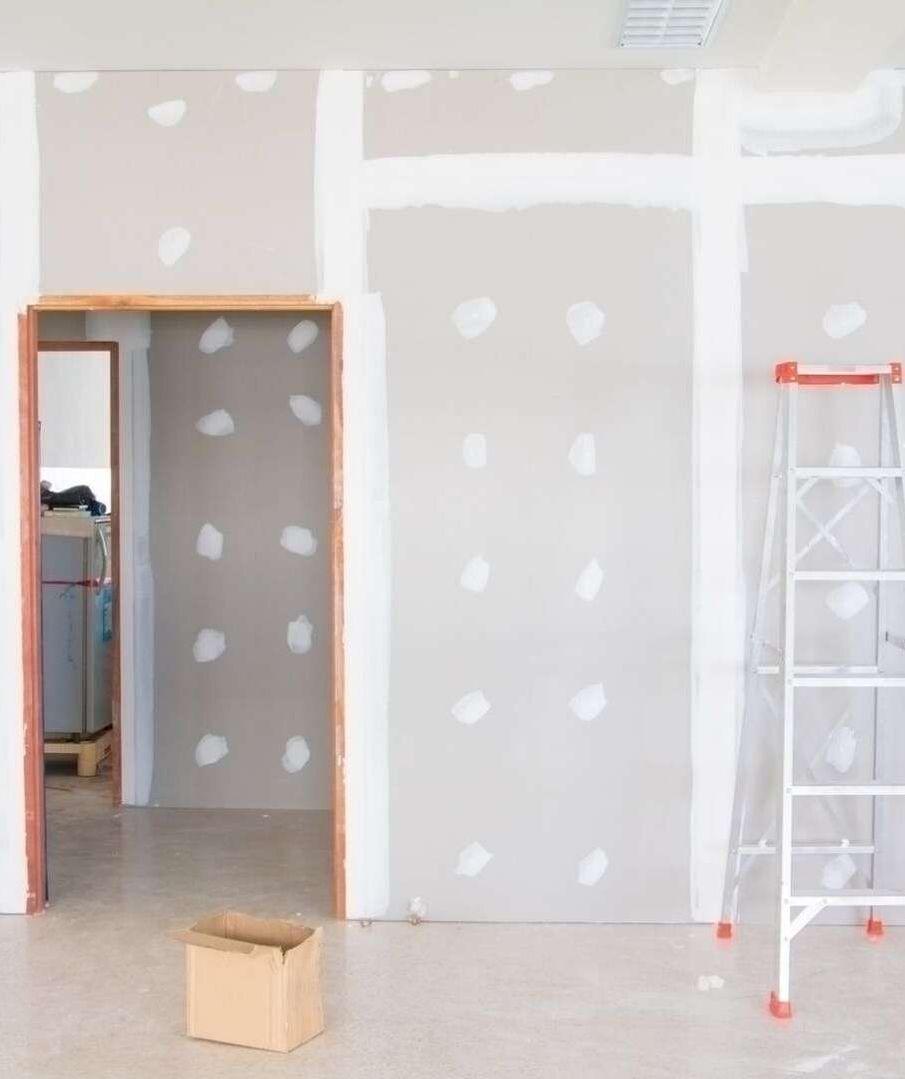
Fix damp before plastering a brick wall
Whichever way you go, the brick has to be dry. If water is coming up from the ground or getting in from outside, plaster and plasterboard will both fail, so the cause needs fixing first. It’s one of the first things to check on a lower level that sits close to the ground.
Bare plaster walls: getting new plaster ready for paint
Bare plaster is porous, so it soaks up the first coat of paint unevenly. New set joins and fresh plaster should be fully dry, lightly sanded and dusted off, then sealed with a sealer undercoat made for plasterboard before the topcoats go on. Skip the sealer and the joins can show through the paint as dull or shiny patches. Solid plaster takes longer to dry than set joins, so check with your plasterer before the painter starts.
Frequently asked questions about plastered walls
Can you plaster directly onto brick?
Yes, as long as the brick is clean, sound and dry. The wall is brushed down to remove loose mortar and dust, a cement-based base coat is trowelled on to straighten it, and a thin finishing coat goes over the top. The other option is lining the brick with plasterboard, either stuck on with adhesive or fixed to battens, which dries faster and leaves room for insulation.
Can you plaster over gyprock?
Yes. Gyprock is a brand of plasterboard, and a skim coat over the whole surface is how the smoothest finish on plasterboard is achieved. It’s worth doing on walls under strong side light or where you’re using gloss paint. The board underneath has to be firmly fixed and undamaged. If it’s water damaged, soft or sagging, replace that section first rather than covering it.
Can you plaster over existing plaster?
Usually, yes. If the old plaster is firmly attached, it can be cleaned, patched, sealed with a bonding primer and skim coated. Tap the wall first. Any section that sounds hollow, crumbles or has come away from the brick needs to come off and be replaced before new plaster goes on, otherwise the new finish will crack or lift along with the old one.
Can I plaster my own walls?
Small patches and minor touch-ups are fine to do yourself. Whole walls and ceilings are a different matter: plasterboard sheets are heavy and brittle, they need two people to handle, and getting a large wall flat enough to look right once it’s painted takes practice. You can keep the cost down by doing the preparation yourself, such as clearing the room and covering the floors.
Is a plasterboard wall the same as a plastered wall?
Not quite. A plasterboard wall is lined with sheets of gypsum board, and only the joins, screw heads and corners are plastered. A solid plastered wall has plaster trowelled over the whole surface, usually onto brick or block. Most new Australian homes use plasterboard because it’s quicker to install and dries faster, and once both are painted, a well-finished wall looks much the same either way.
If you’re planning new walls, or you need existing walls repaired or relined, get in touch for a free quote. Send us a few details and photos of the walls if you have them, and we’ll explain what we recommend and why.