
We’re asked about home soundproofing in Brisbane more and more, and the answer is nearly always in the walls and ceilings. Adding weight, separating the two sides so vibration can’t pass straight through, filling the cavity with acoustic insulation and sealing the gaps will do most of the work. It’s easiest while a house is being built or renovated, but an existing room can still be made a lot quieter.
Here’s what you need to know.
Home soundproofing in Brisbane: who needs it and why
Most people looking into soundproofing want one room quieter, or want their own noise kept inside their walls. Houses are being built closer together, often with lightweight stud walls lined with plasterboard, which let more sound through than heavy masonry.
The usual reasons are:
- Home theatres: so the movie can be loud at night without the whole house hearing it.
- Home offices: so calls go ahead without the TV, the kids or the mower in the background.
- Children’s bedrooms: so little ones can sleep while the rest of the house is still up.
- Shift work: for anyone who has to sleep during the day.
- Musicians: so practice stays inside the house and away from the neighbours.
- Outside noise: a busy road, a train line or a flight path.
- Shared walls: units, townhouses and duplexes where you can hear next door.
How soundproofing works: airborne noise and impact noise
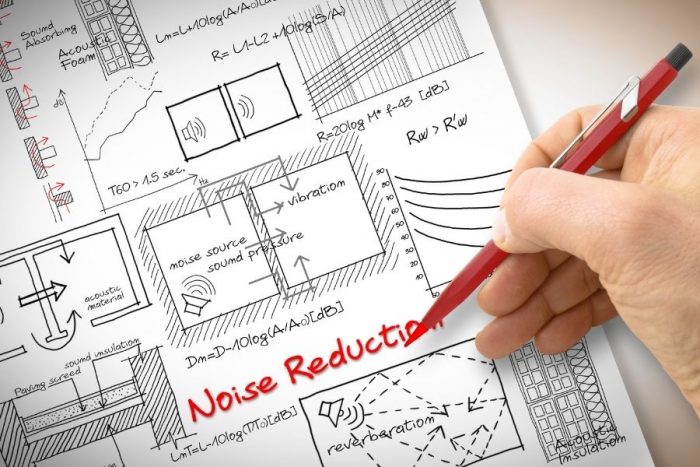
Noise travels in two ways, and it’s worth knowing which one you’re dealing with before you spend money. Airborne noise moves through the air: voices, the TV, traffic and barking dogs. Impact noise starts when something hits the building, like footsteps on a hard floor or a slammed door, and the vibration travels through the frame.
Airborne noise is mostly stopped by mass and good seals. Impact noise is harder, because it travels through the timber or steel holding the house together, which is why separating surfaces matters so much in a soundproof wall or ceiling.
Four ways to soundproof a wall or ceiling
Every soundproofing method uses one or more of these:
- Mass: heavier, denser linings are harder for sound to move. Acoustic plasterboard has a denser core than standard plasterboard, and a second layer adds more weight again.
- Decoupling: the two sides of the wall or ceiling are separated so vibration can’t cross straight over. Resilient mounts hold the plasterboard slightly off the studs or joists, and a completely separate frame goes further still.
- Absorption: acoustic insulation batts in the cavity soak up sound that would otherwise bounce around inside the wall.
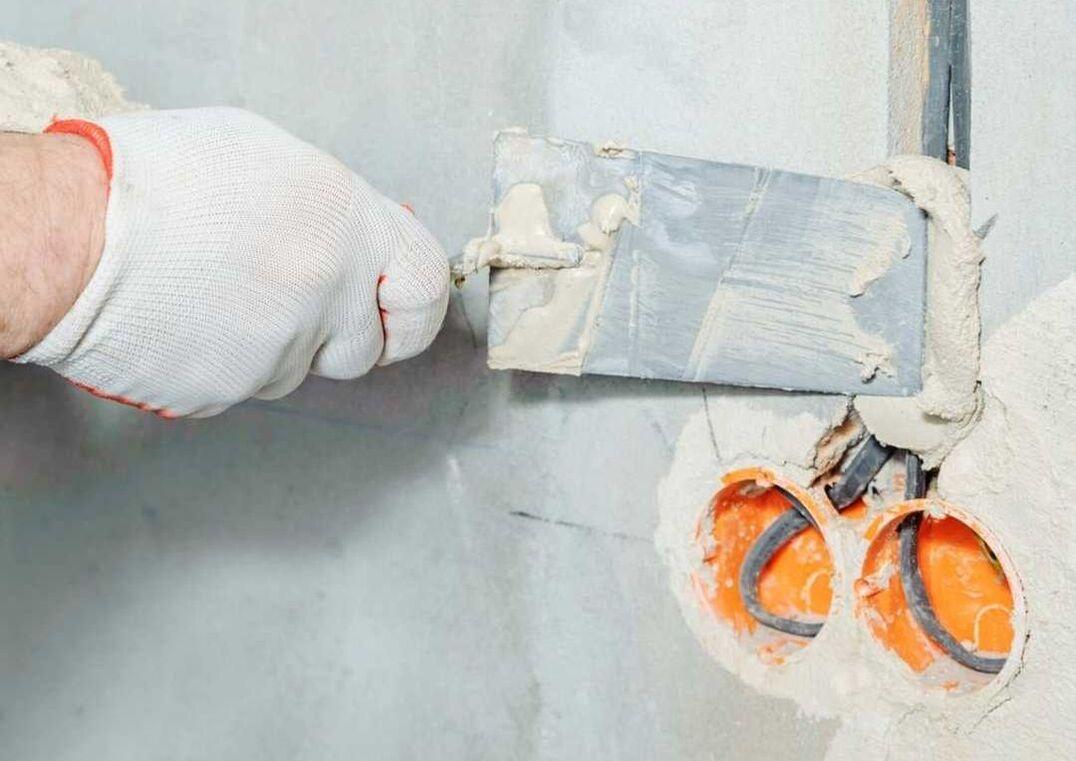
- Sealing: sound gets through any gap. Acoustic sealant around the edges of the plasterboard, seals on the doors, and care around power points and downlights all make a difference.
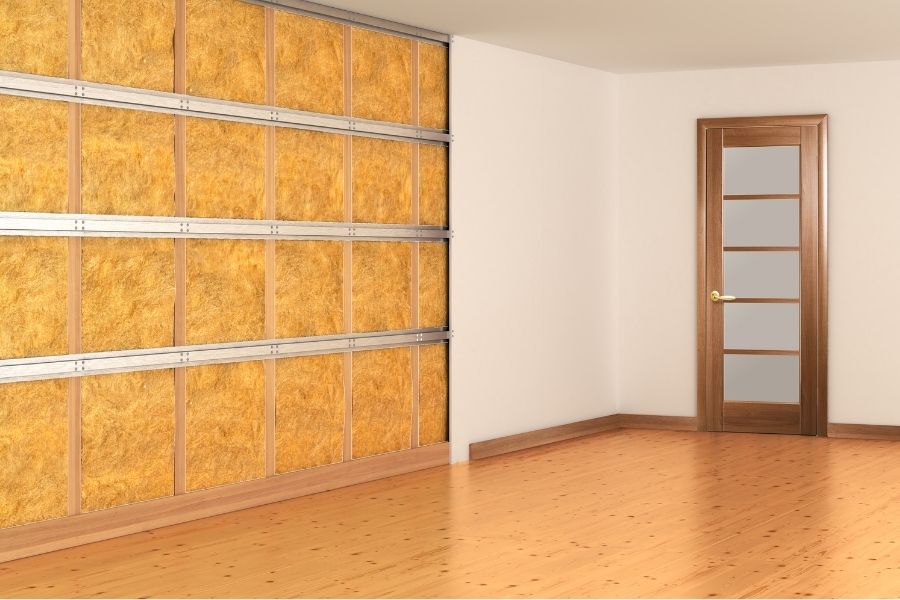
You won’t always need all four. A bedroom wall might only need insulation and a good door seal, while a home theatre usually needs the lot.
Soundproofing a new build or renovation
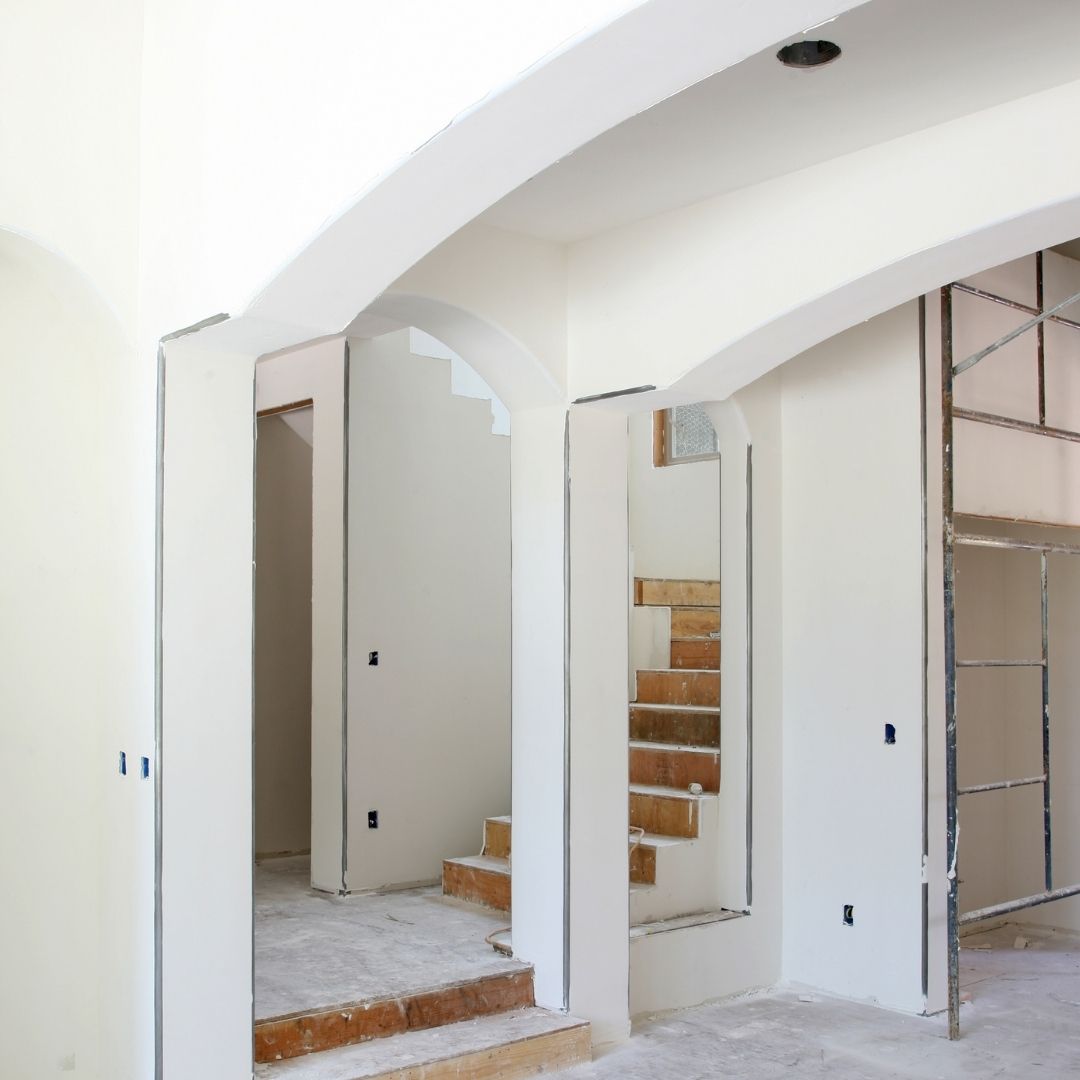
If you’re building or renovating, now is the time to ask for soundproofing. While the frame is open, acoustic insulation, acoustic plasterboard and resilient mounts cost far less than pulling the linings off later. Before the plasterboard goes up, talk to your builder about the walls that matter most: usually the ones around bedrooms, the home theatre, the office, the laundry and any wall you share with a neighbour.
Add solid-core doors to the list too, because a hollow-core door is mostly air and lets sound through however good the walls are.

We line soundproof walls and ceilings as part of our residential plastering, along with new plasterboard for builds, extensions and renovations.
How to soundproof a room in an existing house
Start with the simple fixes and work up. The right step depends on where the noise comes from and how quiet the room needs to be.
Soft furnishings and door seals to reduce noise
Rugs, carpet, heavy curtains and upholstered furniture soak up echo, which helps most in open-plan rooms with hard floors. A door sweep or draught stopper stops sound slipping under the door. None of this does much for noise coming through a wall, but it’s cheap and you can do it yourself.
Acoustic panels and underlay to cut echo
Acoustic panels on the walls and sound-absorbing ceiling tiles make a room sound less harsh. If you’re laying new carpet, acoustic underlay helps with footsteps, which is worth knowing if you live upstairs in a unit. Panels change how a room sounds inside. They don’t stop sound passing through the wall.

An extra layer of acoustic plasterboard
If the noise is coming through the walls from outside or next door, the walls and doors need work. Fixing a layer of acoustic plasterboard over the existing wall adds mass, and swapping a hollow-core door for a solid-core one closes the most obvious weak spot.
Insulating the wall cavity behind new plasterboard
The next step up is taking off the existing plasterboard, filling the cavity with acoustic insulation and relining the wall with acoustic plasterboard, ideally on resilient mounts. It’s more disruption, and it gives a much better result. If your house was built before 1990, there is a good chance it contains asbestos, according to the Queensland Government’s asbestos guidance, so have older wall sheets tested before anyone cuts into them. Our post on plastering new and existing walls explains what relining an older wall involves.
Soundproofing a home theatre, home office or music room
Home theatre and home office soundproofing
A home theatre usually gets acoustic plasterboard on resilient mounts, insulation in the walls and ceiling, and a solid-core door with good seals, then carpet and upholstered seating to stop the sound bouncing around. A home office can be treated as a smaller version of the same thing, with something soft on the floor so your calls don’t echo.
Soundproofing a recording studio or music room
A recording space needs a room within a room. A builder frames a new inner wall and ceiling that don’t touch the existing structure, then the cavities are insulated, the room is lined with acoustic plasterboard (sometimes with mass loaded vinyl as well) and every gap is sealed. It’s the most effective option, and it takes up floor space, so plan it early.
Soundproofing apartments and units
In a unit, a lot of the noise comes through the shared walls, the floor and the ceiling. When an apartment building is built, the walls and floors between units have to meet the minimum sound insulation set out in Part F7 of the National Construction Code. A minimum isn’t silence, though, and you may still hear your neighbours.
For noise from the unit above, a soundproof ceiling helps: usually a new ceiling hung on resilient mounts with acoustic insulation above it. We install soundproof and acoustic ceilings in units and apartments, along with acoustic walls and ceilings between rooms. Footstep noise is also worth tackling where it starts, so a rug or underlay upstairs helps alongside a soundproof ceiling below. Check with your body corporate before any work on a shared wall or ceiling.
What soundproofing a house can and can’t do
No wall or ceiling makes a room silent. Soundproofing reduces noise, and how much depends on the weakest part of the room. If most of the noise comes through a single-glazed window or a gap under the door, a new wall won’t solve it on its own, so talk to a glazier about double glazing or acoustic glass before changing the walls. Low, rumbling noise like bass or heavy traffic is the hardest to stop, and it needs mass and separation rather than insulation alone.
Frequently asked questions about home soundproofing
How can you soundproof your house without rebuilding the walls?
Start with the gaps and the soft surfaces: door seals, door sweeps, solid-core doors, rugs and heavy curtains. If that isn’t enough, a layer of acoustic plasterboard over the existing walls adds mass without opening them up. The bigger improvements come from insulating the cavity and decoupling the linings, which does mean taking the old plasterboard off.
Does acoustic plasterboard reduce noise?
Yes, but it works best as part of a system. Acoustic plasterboard is denser than standard board, so on its own it gives a modest improvement. On resilient mounts, with acoustic insulation in the cavity and sealed edges, it does a lot more. Sound ratings are usually quoted for a complete wall or ceiling system, so compare systems rather than single sheets.
Do acoustic panels soundproof a room?
Not really. Acoustic panels absorb sound inside a room, so they cut echo and make a home theatre, office or open-plan area sound clearer. They don’t add enough mass or separation to stop sound passing through a wall. To keep noise in or out, the wall or ceiling itself needs insulation, mass and good seals.
Is it worth soundproofing a bedroom?
For shift workers, light sleepers, children’s rooms and bedrooms that share a wall with a living area, it usually is. Acoustic insulation batts in the internal walls and a good door seal are the simplest start, and they’re easiest to add during a build or renovation. If the noise comes from outside, use a higher-performing batt in the external wall and look hard at the window, which is often the weakest point.
If you’d like to talk about soundproofing a wall, ceiling or room in your home, contact us for a free quote. Send a few details, and photos if you have them, and we’ll explain the options that suit the noise you’re dealing with.